24 hr
Mount Inasa & Hashima Island Full-Day Guided Tour
- Expert local guide
- Small group
- Skip-the-line access
- Free cancellation
Hashima Island Private Tour — Exclusive Gunkanjima Expeditions
Coal-era ruins meet tidal currents, where landing depends on the sea
Compare fares, pick the fit — all bookings are mobile-voucher and eligible for free cancellation where shown.
24 hr
4 hr
6 hr
Choosing a hashima island private tour requires balancing your interest in exclusive onboard seating with the mandatory site access regulations. Most visitors select from standardized cruise tiers that navigate this UNESCO heritage site with dedicated guide support.
| Standard Plan Lower/Open Deck |
Top pick Premium Plan Reserved Cabin Seating |
|
|---|---|---|
| Observation Areas | Fixed Plaza Access | Fixed Plaza Access |
| Seating Comfort | General Deck Seating | Reserved Cabin & Window |
| Included Museum | Digital Museum Entry | Digital Museum Entry |
| Nagasaki City Fee | 650 JPY Paid Locally | 650 JPY Paid Locally |
| Best for | Budget-conscious travelers | Premium service seekers |
| See tickets & prices |
Verdict: Select your hashima island private tour tickets based on whether you prefer reserved cabin amenities or a standard deck-viewing experience.
Worth it for history enthusiasts with flexible schedules
A hashima island private tour delivers unmatched scheduling flexibility around Nagasaki's notoriously unpredictable maritime conditions, but the premium comes with caveats. The 650 JPY facility usage fee applies universally, yet private arrangements through options like the Mount Inasa & Hashima Island Full-Day Guided Tour or Nagasaki Highlights Private Car Tour bundle Gunkanjima access with broader itineraries rather than offering dedicated island-only charters. Weather cancellations affect all operators equally—private bookings simply let you reschedule without competing for group tour slots. The abandoned coal mining settlement's 30–40 minute land access remains identical across booking types; what you're paying for is logistical control, not enhanced on-island experience. For travelers juggling tight cruise port schedules or wanting to pair the UNESCO industrial heritage site with Mount Inasa and Dejima in one day, private hashima island private tour tours justify their cost. Solo visitors or those comfortable with standard departure times will find group options more economical.
Bottom line: Private hashima island private tour tickets make sense when schedule control outweighs the premium, particularly for multi-site Nagasaki days.
They complement each other; most visitors who do both call the hashima island private tour the more immersive experience. While the group cruise is a standard way to see the ruins, a private hashima island private tour tour offers tailored insights into the history of these Nagasaki landmarks.
|
Top pick Private Tour |
Group Cruise | |
|---|---|---|
| Group Size | 1–6 guests | 20–100+ guests |
| Commentary | Expert-led deep dive | Pre-recorded or general |
| Flexibility | Custom schedule | Fixed departure times |
| Access | Exclusive island time | Shared observation zones |
| Price (base) | Premium (varies) | ¥3,600–¥6,000 |
| Booking | Advanced reservation | Easy online availability |
| See tickets & prices |
Verdict: Choose the private option if you prefer curated storytelling, whereas the standard cruise remains the most accessible way to secure your hashima island private tour tickets.
Hand-picked experiences loved by thousands of travelers
2 hours
Free Cancellation
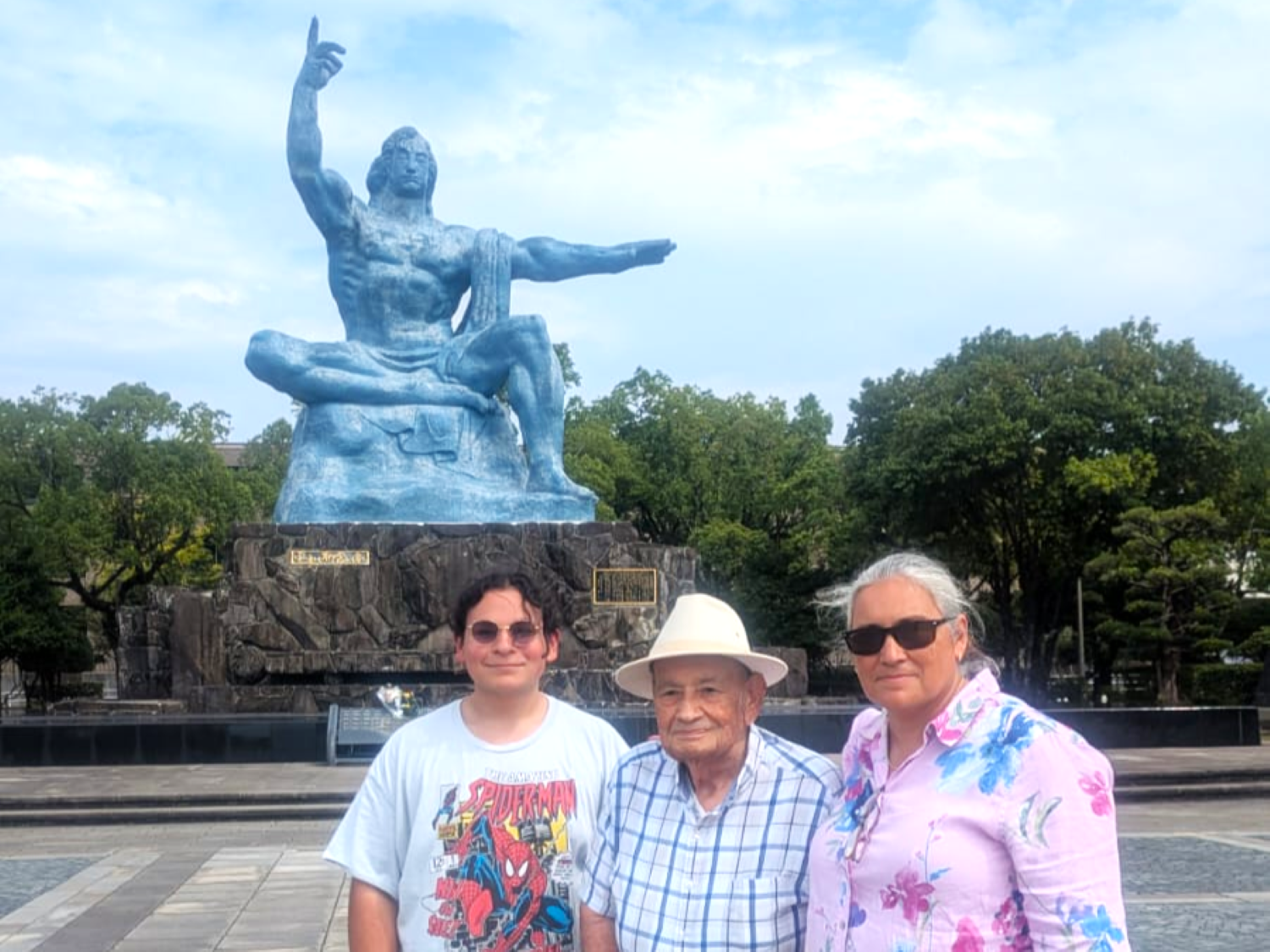
Explore the profound history of Nagasaki's atomic bombing through intimate small-group visits to memorial sites
2 - 5 hours
Free Cancellation
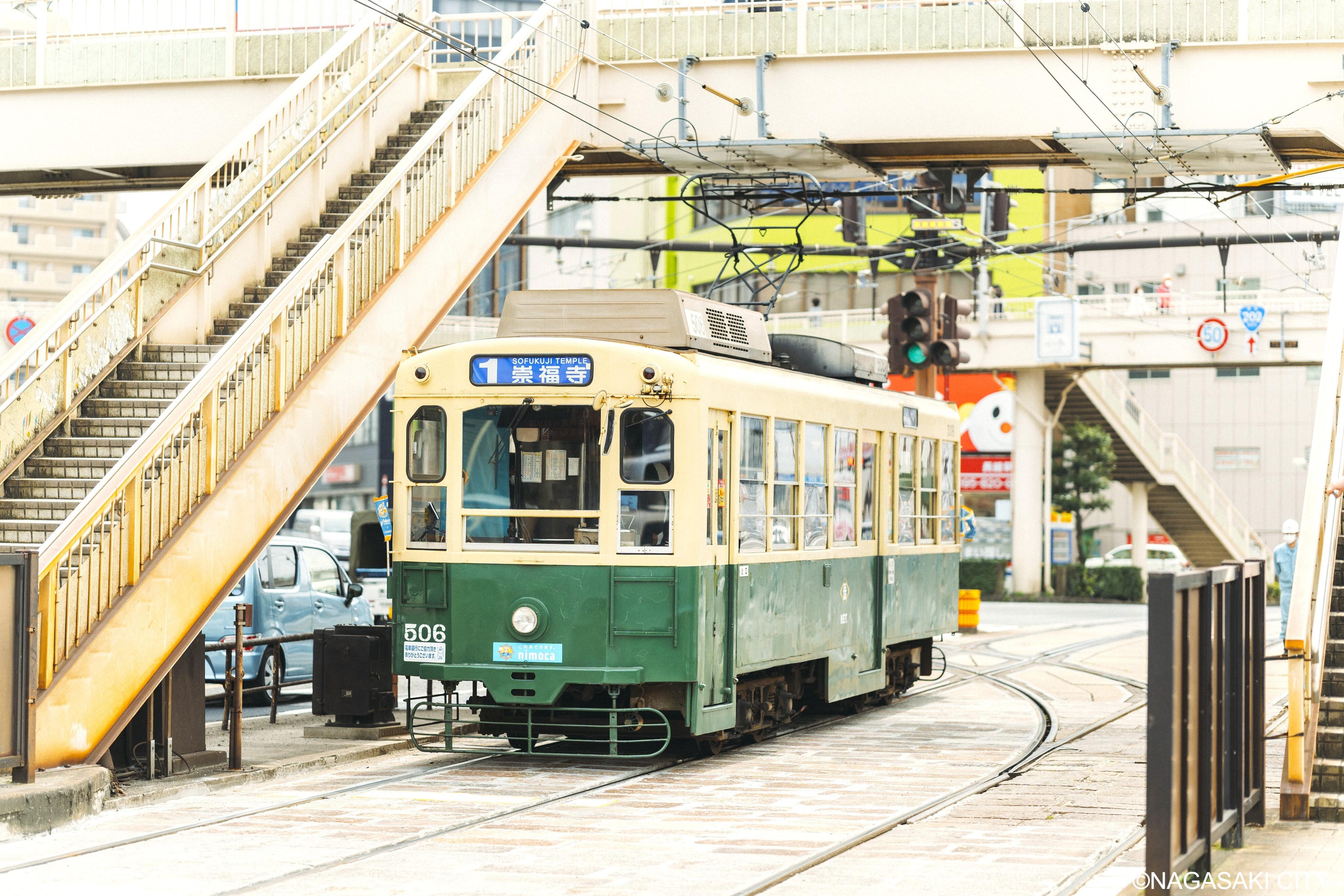
Explore Nagasaki's history and scenic beauty on a personalized tram journey tailored to cruise schedules.
2 hours 30 minutes
Free Cancellation
Walk from wartime shelters to the hypocenter, then spend 90 minutes in the museum with your guide
4 hours
Free Cancellation
Explore Nagasaki's most significant historical sites with a private English-speaking guide over four hours.
9 hours
Free Cancellation
Explore Nagasaki's historic sites and stunning vistas on a flexible 9-hour private vehicle tour
2 hours
Free Cancellation
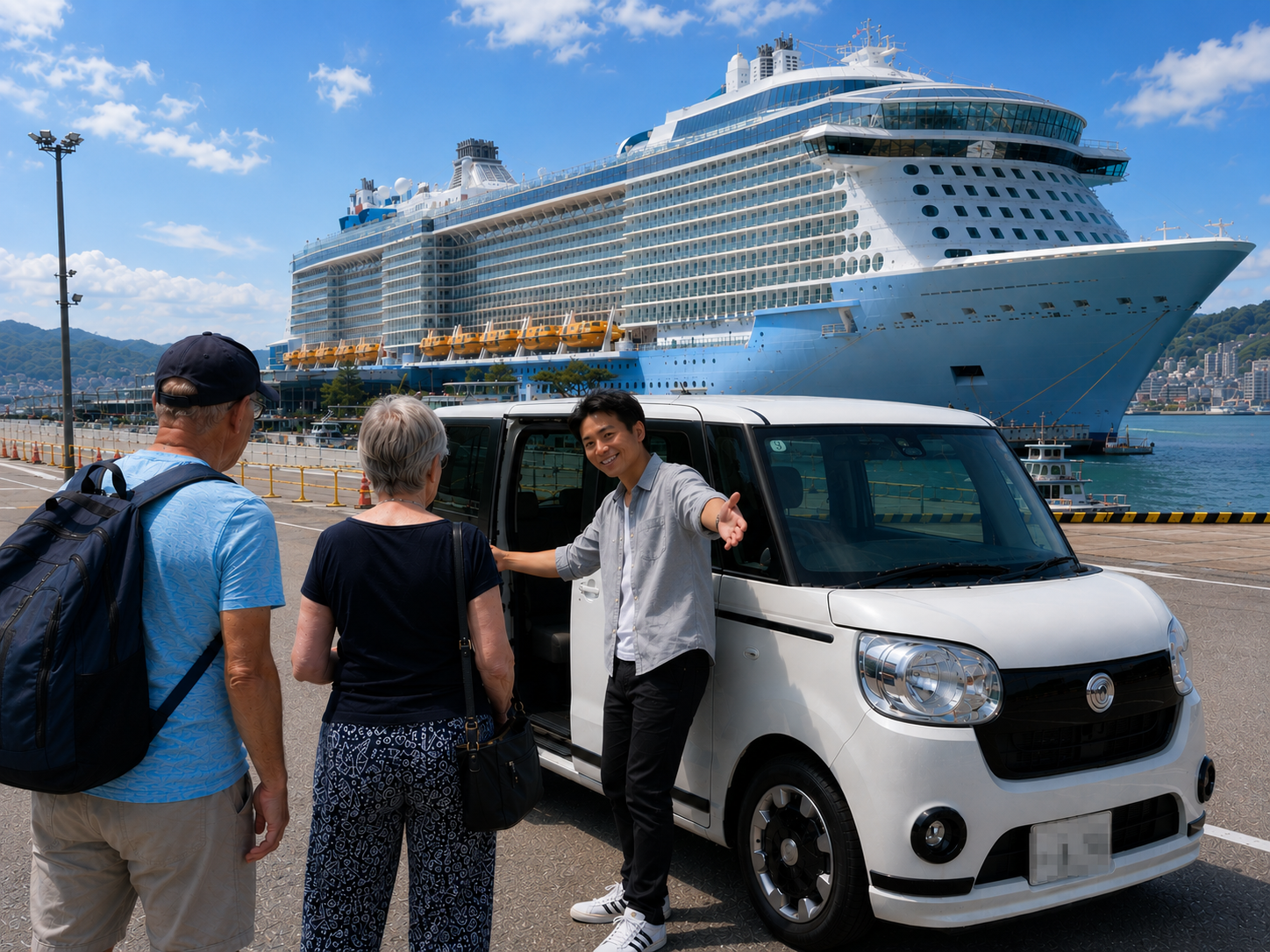
Explore Nagasaki's history and modern life by private car with hometown guide Yusuke
1 hour 30 minutes
Free Cancellation
Ascend by gondola to Nagasaki's finest viewpoint and discover the city's dramatic harbor setting
2 hours 30 minutes
Free Cancellation
Uncover Nagasaki's unique multicultural heritage on a private 2.5-hour walk through historic districts
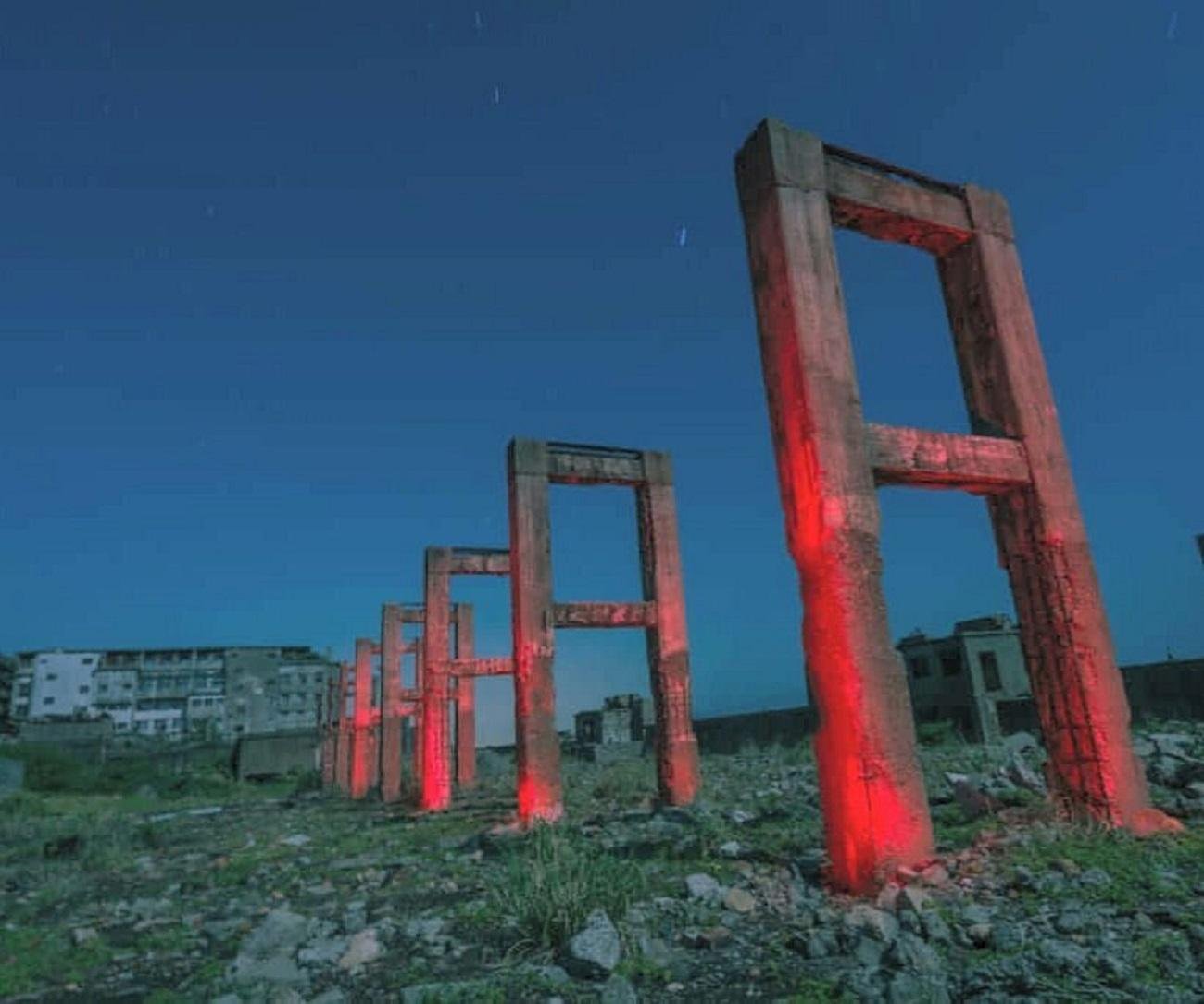
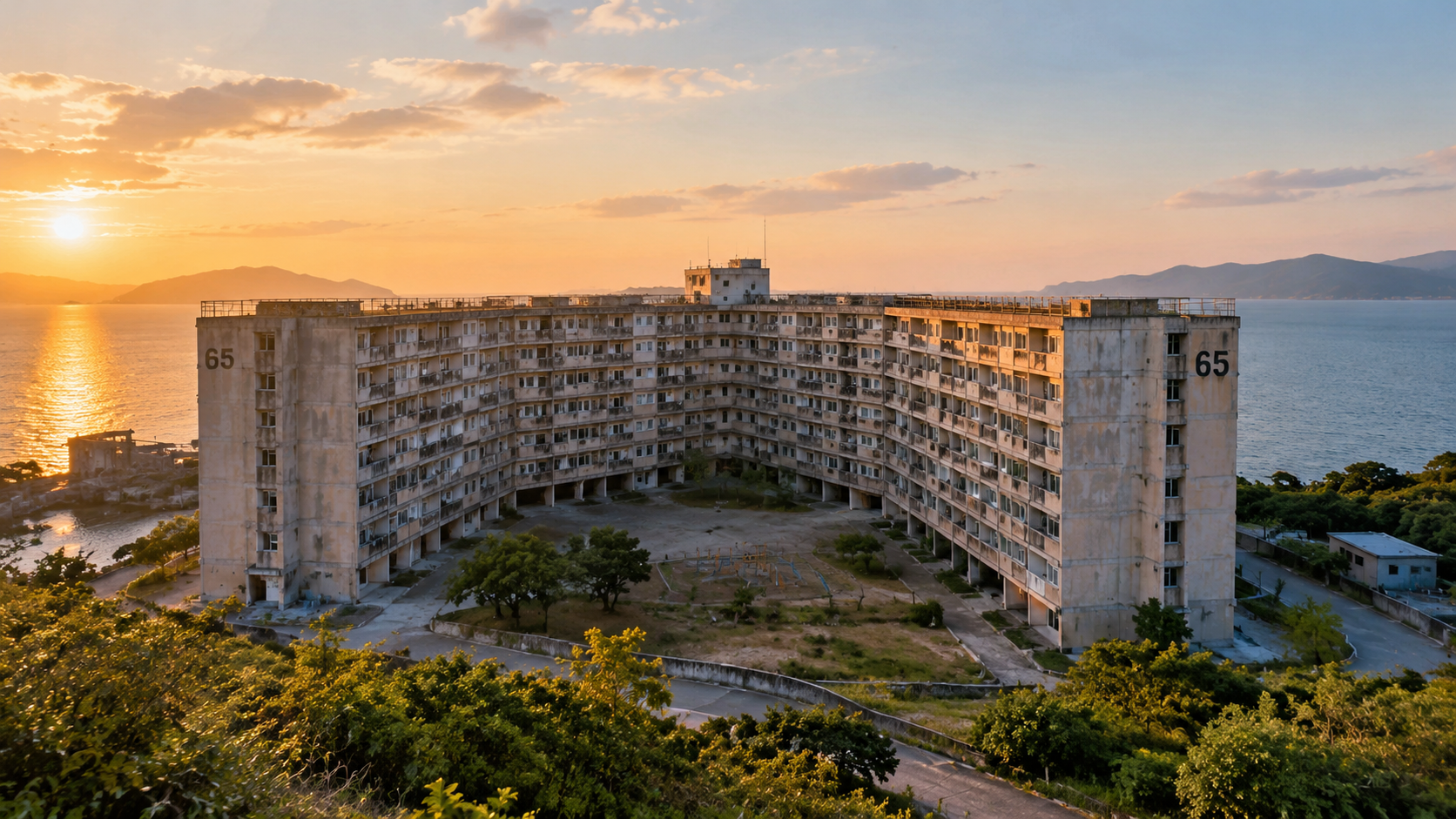
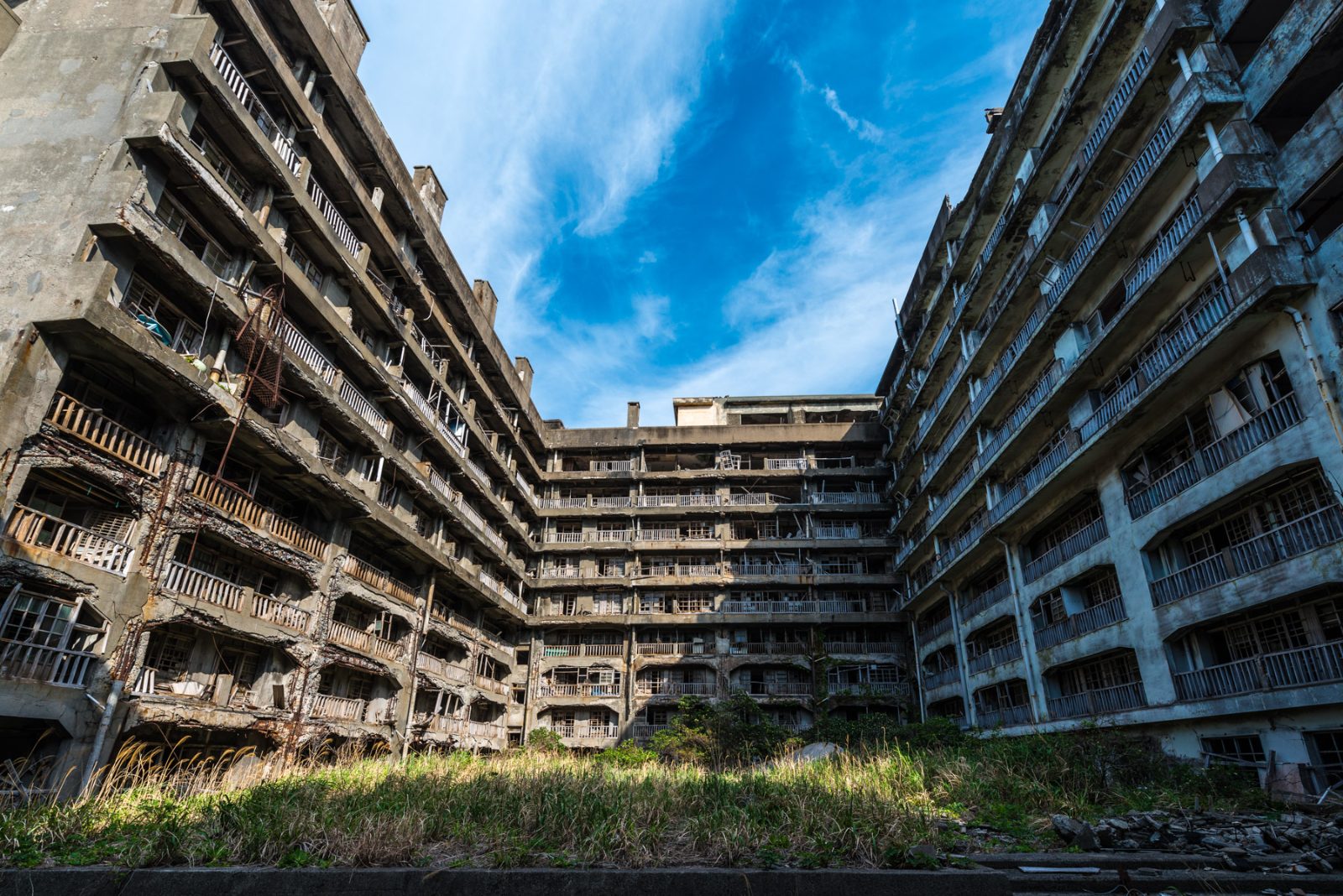
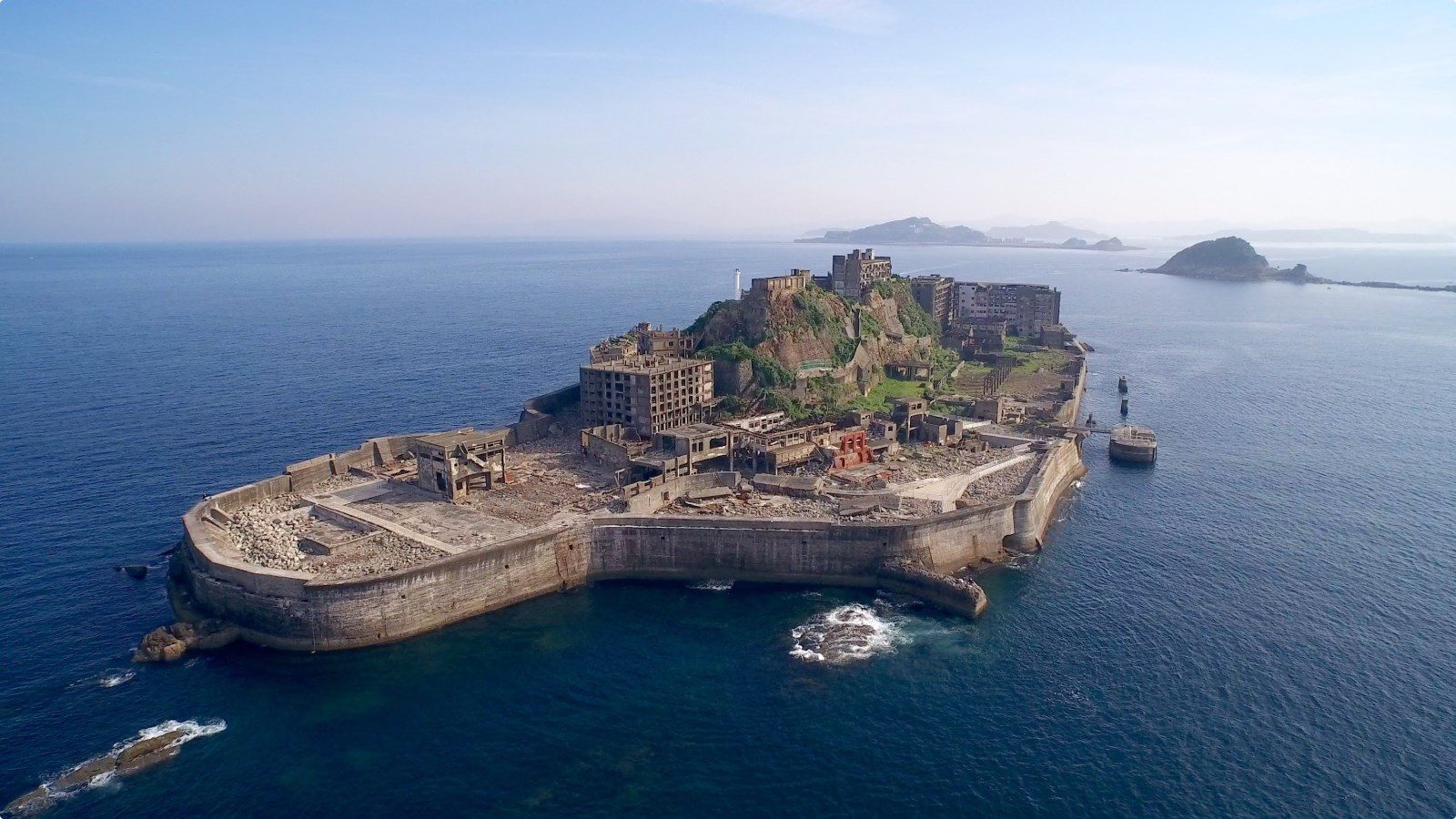
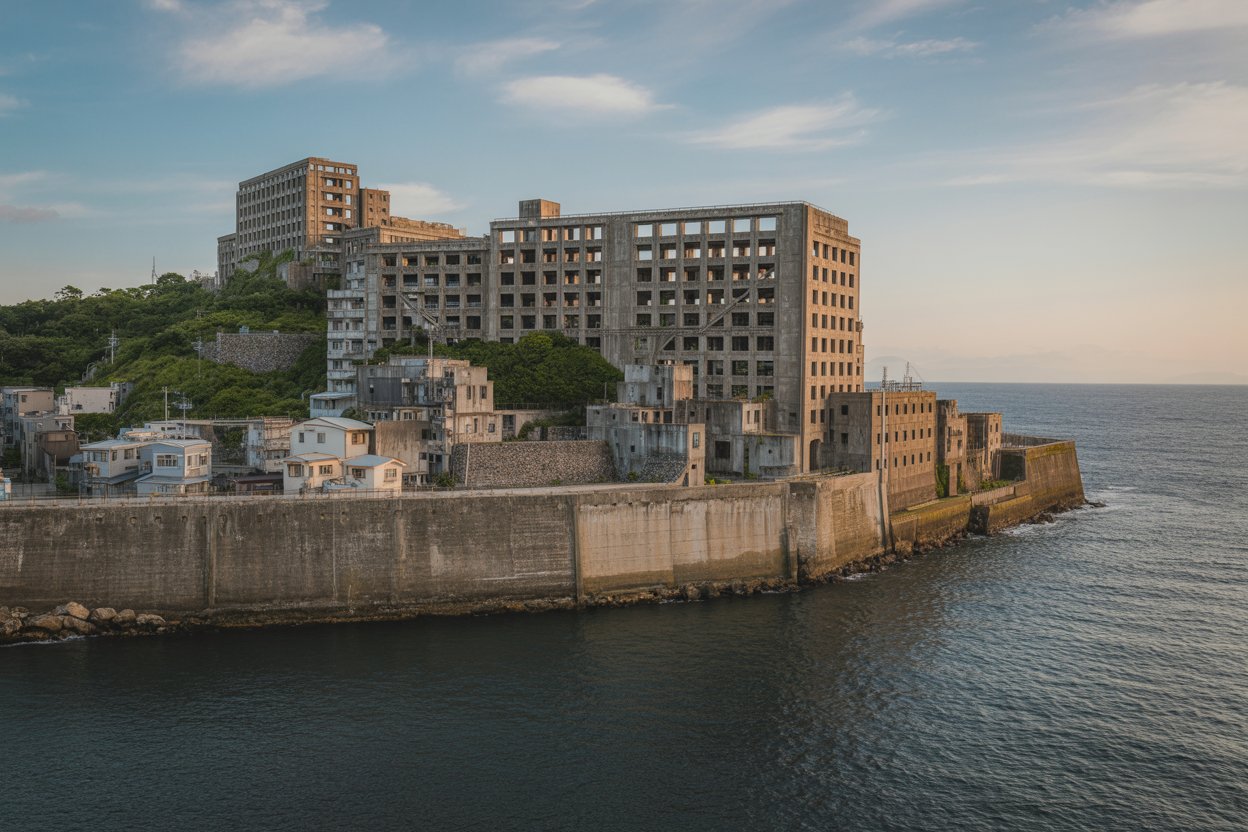
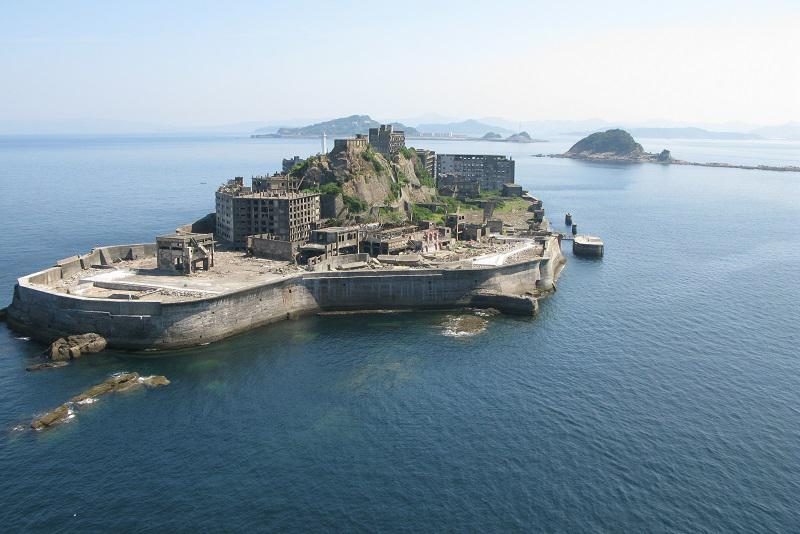
This massive U-shaped apartment block is the most iconic structure remaining on the island. It once featured a rooftop playground for children and housed hundreds of mining families.
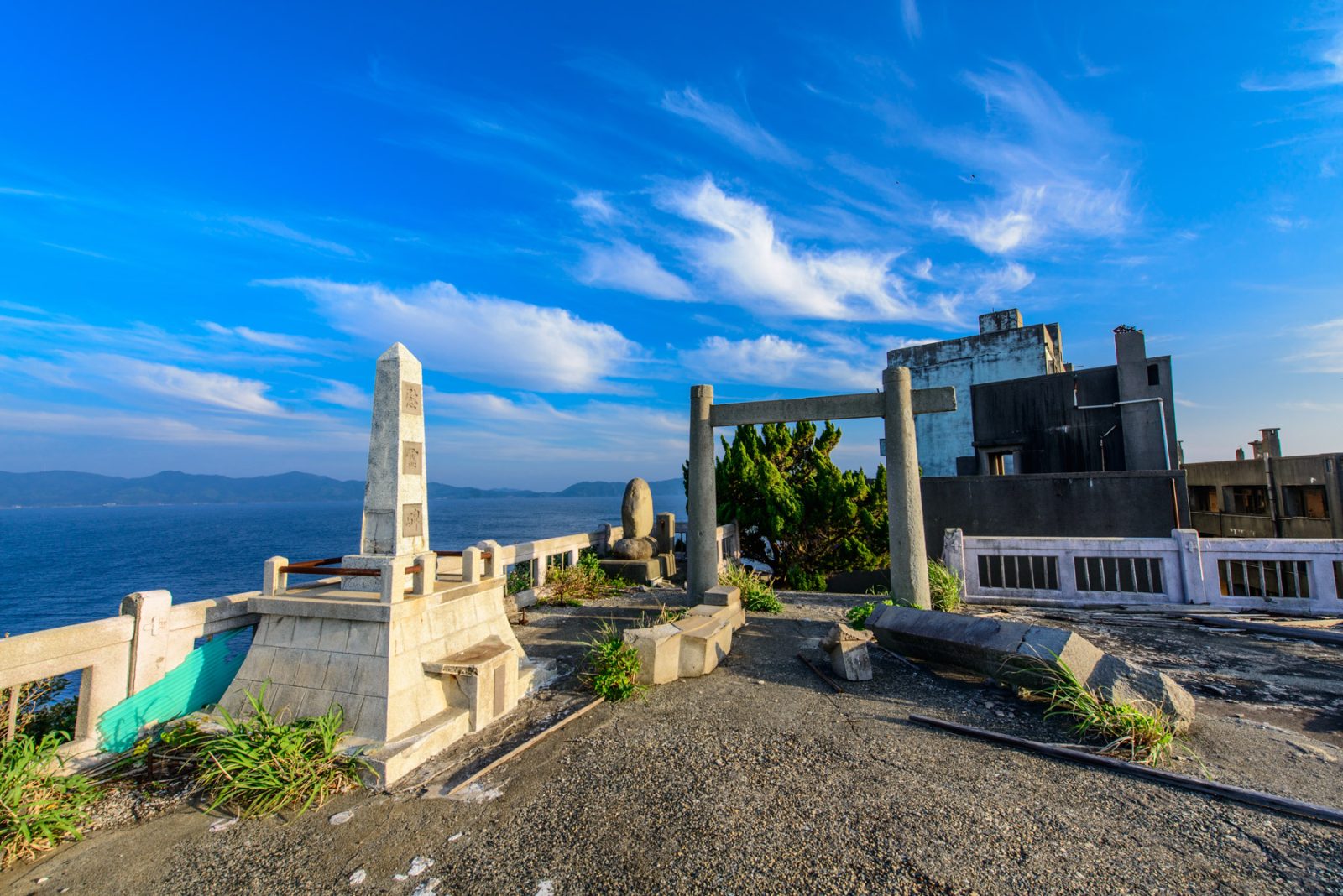
The historic shrine served as the spiritual center for the community during the height of the island's coal mining prosperity.
Completed in 1916, this is Japan's first high-rise reinforced concrete apartment building.
The primary docking point where visitors begin their guided exploration of the designated walking route.
You board a chartered vessel at Tokiwa Terminal, where your guide confirms landing clearance with harbor control. The 40-minute crossing takes you past Takashima Island's active port before Hashima's concrete skyline appears three kilometers offshore.
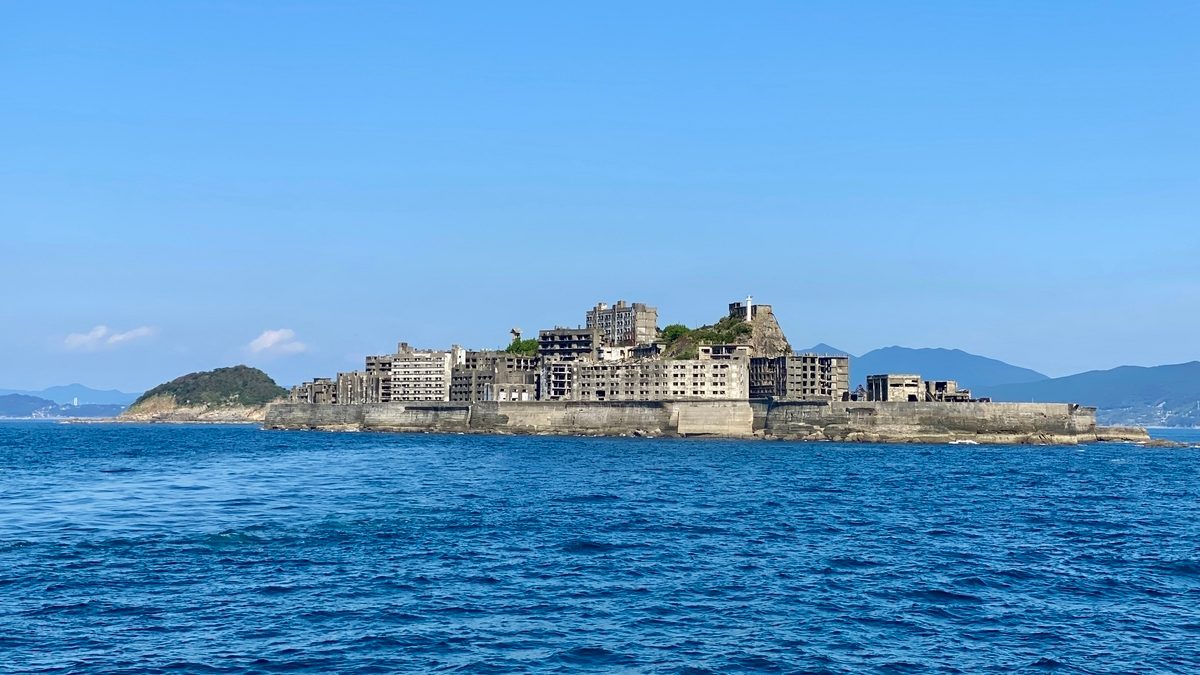
As the boat rounds the southern breakwater, you see the scale: eleven-story apartment towers rising from a sea wall barely two meters above high tide.
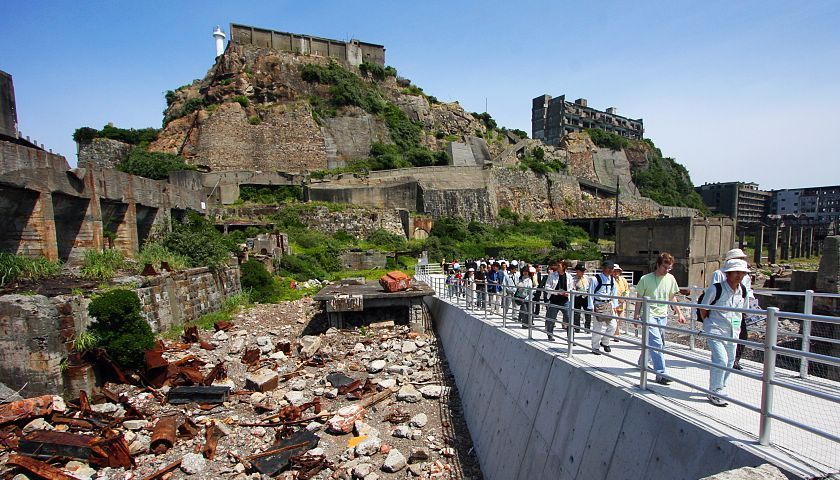
You disembark onto the concrete pier, paying the 650 yen facility fee at a weathered kiosk. The first observation deck faces Nikkyu Apartments, where balconies hang by single support beams and staircases terminate in open air. Your guide points to window frames on the seventh floor, explaining how families of five occupied nine-square-meter rooms. At the second zone, you photograph the elementary school's collapsed roof, its gymnasium floor now a pool of rainwater. The third platform overlooks the mine shaft entrance, sealed with steel plates in 1974. Thirty minutes after landing, the boat horn signals departure—tidal schedules permit no extensions.
All the details about your upcoming adventure in one place
Hashima's reinforced-concrete apartment blocks rose eleven stories in 1916, making them Japan's first high-rise residential towers. Mitsubishi Corporation operated undersea coal seams here from 1890 to 1974, extracting anthracite at depths exceeding 600 meters beneath the seafloor.
At peak occupancy in 1959, 5,259 residents lived within the 6.3-hectare perimeter, producing a population density nine times that of Tokyo. The island earned its nickname Gunkanjima—Battleship Island—from its profile when viewed from Nagasaki harbor, where the silhouette of stacked concrete housing blocks resembled a military warship at anchor.
UNESCO inscribed Hashima as part of the Sites of Japan's Meiji Industrial Revolution in 2015, recognizing its role in the nation's rapid coal-driven industrialization. Today, the island remains largely off-limits; visitors access only three designated observation zones along a 220-meter concrete pier built specifically for tourism. Typhoon surges and winter swells frequently cancel landings—roughly 100 days per year see closures—and all hashima island private tour departures require harbor master approval within six hours of scheduled sailings. The 650 yen conservation fee supports ongoing stabilization work on crumbling facades; structural engineers estimate collapse will claim most buildings within two decades.
Private Gunkanjima expeditions depart from Nagasaki's Tokiwa Terminal between 09:00 and 16:30, with early morning slots offering statistically calmer seas. Chartered boats carry smaller groups than standard ferries, allowing extended commentary from former mining engineers and descendants of island residents. On-island time remains fixed at 30 to 40 minutes regardless of charter type, dictated by tidal windows and Ministry of Land regulations. The viewing zones reveal Nikkyu Apartments' skeletal stairwells, the roofless primary school gymnasium, and the administrative headquarters where payroll records still litter corridors. Salt corrosion accelerates decay; concrete spalling exposes rebar at rates measured in centimeters per year. Visitors stand behind waist-high barriers while guides narrate shift schedules, coal quotas, and the 1974 evacuation that left rice cookers on stovetops and textbooks open on desks.
At peak occupancy in 1959, 5,259 residents lived within the 6.3-hectare perimeter, producing a population density nine times that of Tokyo.
Sturdy, comfortable shoes are mandatory for your hashima island private tour. High heels, stiletto heels, flip-flops, and sandals are prohibited due to the uneven grating on the island walkways.
All passengers must sign a safety pledge for the hashima island private tour. Large luggage should be left at your accommodation or in lockers at the ferry terminal as there is limited space on board.
Photography is permitted in designated areas during your hashima island private tour, but video recording of guides and official presentations is restricted. Always respect signage regarding restricted zones.
Children under 6 are generally not permitted to land on Hashima Island for safety reasons. Families booking a hashima island private tour should plan for one adult to remain on the vessel if traveling with young children.
Due to the island's crumbling infrastructure, the hashima island private tour is not fully wheelchair accessible. Guests with mobility concerns should consult their operator prior to booking.
No food or drink facilities are available on the island; consume refreshments at Nagasaki Port or Takashima before your hashima island private tour. Refrain from drinking or smoking while on the tour.
Operating Hours
09:00–17:00
Address
Hashima, Takashima-cho, Nagasaki City, Nagasaki Prefecture
Landing Policy
Weather-dependent; limited wheelchair access
Best Arrival
09:00–16:30
Storage
Not available at the terminal
Navigation
Licensed boat tour only
Public transport · 10m · 150 JPY
Take the tram to Ohato Station and walk 3 minutes to the terminal.
Cancellation fees vary by operator and date. Nagasaki City mandates a 650 JPY facility usage fee per person, which may be refunded if landing is canceled due to weather.
Recommended time
3-4 hours
A hashima island private tour requires accounting for boat transit times from Nagasaki alongside the regulated time spent walking the designated visitor pathways. Because operations are weather-dependent, securing early hashima island private tour tickets is essential to maximize your chance of landing before conditions change. While you explore the concrete ruins of this UNESCO heritage site, expect crowd density to fluctuate based on sea conditions and ferry schedules. Opting for a personalized hashima island private tour tour allows for a more controlled pace through these restricted zones, though total duration remains tied to boat logistics.
Crowd levels through the day
Weather · crowds · average price — dots go green to amber to red as each metric rises.
Mild temperatures and comfortable walking conditions.
Advance booking for a hashima island private tour is essential as slots fill quickly.
Hashima Island emerged as an industrial frontier in 1887 when Mitsubishi Corporation purchased the reef and began undersea coal extraction. The company constructed Japan's first large-scale concrete apartment blocks here in 1916, nine-story structures designed to withstand typhoons and house a rapidly expanding workforce. By 1959, the population density reached 83,500 people per square kilometer, making it the most crowded place on Earth. The island measured just 480 meters long and 160 meters wide, yet supported over 5,000 residents who worked, studied, and raised families within its concrete perimeter. Mitsubishi built schools, a hospital, a cinema, rooftop gardens, and even a pachinko parlor to create a self-contained city. Miners descended shafts extending 600 meters below the seabed, extracting coal in sweltering conditions that fueled Japan's modernization. The facility operated around the clock, with residential blocks stacked vertically to maximize limited space. During World War II, the site became a forced labor camp where Korean and Chinese workers endured brutal conditions, a chapter that remains contested in historical discourse. Hashima island private tour operators now navigate this complex legacy, presenting both the engineering achievement and the human cost. After the war, the community rebuilt and thrived through the 1950s economic boom. Children attended school on the island, families shopped at the rooftop market, and miners earned wages that supported middle-class lifestyles. The closure announcement came in 1974 when petroleum replaced coal as Japan's primary energy source. Mitsubishi shuttered operations, and within three months the entire population evacuated. Buildings were left intact, apartments still furnished, creating the ghost town visitors encounter on hashima island private tour excursions today. The seawall began crumbling immediately after abandonment, and typhoons accelerated structural decay. UNESCO designated the site as part of the "Sites of Japan's Meiji Industrial Revolution" in 2015, though the listing required Japan to acknowledge the forced labor history. Access restrictions protect both visitors and the deteriorating structures, with hashima island private tour tickets granting entry only to designated observation zones.
Mitsubishi Corporation acquires the reef and begins undersea coal mining operations.
Japan's first reinforced concrete apartment towers rise to house the expanding mining workforce.
Population peaks at 5,259 residents, creating the world's highest recorded population density.
Site operates as forced labor camp, employing Korean and Chinese workers under harsh conditions.
Coal mine closes due to petroleum shift; entire population evacuates within three months.
Nagasaki city opens limited public access to the abandoned island for the first time.
UNESCO inscribes Hashima as part of Japan's Meiji Industrial Revolution heritage sites.
Weathering and structural decay continue; tours restrict visitors to reinforced observation platforms.
Positioned at the first designated walkway zone, this spot allows photographers to capture the dense, decaying concrete architecture of the residential blocks. It offers a direct line of sight to the iconic high-rise apartments that define the island silhouette during a hashima island private tour.
Exploring Gunkanjima with children requires careful planning, as this UNESCO heritage site offers a unique perspective on industrial history. Booking a hashima island private tour allows families to navigate the concrete remains of this former coal mining facility at their own comfortable pace.
Strollers are not permitted on the island due to uneven surfaces and stairs, so infants must be carried in a baby carrier.
This excursion is most suitable for school-aged children who can manage walking on gravel paths and listening to historical narration.
The island itself lacks modern amenities like nursing rooms or diaper-changing stations, so prepare accordingly before departing from Nagasaki.
Because tours are weather-dependent, aiming for the 09:00–16:30 arrival window is essential, as early departures offer better chances for landing.
When securing your hashima island private tour tickets, confirm that your operator provides sufficient shade and water for younger visitors.
Always check that your hashima island private tour tours include the 650 JPY facility usage fee to ensure a seamless arrival experience.
There are no dining facilities on the abandoned Hashima Island, so visitors planning a hashima island private tour should eat in Nagasaki City before or after their maritime excursion. Exploring Gunkanjima involves significant walking, making a hearty meal in the port area essential before securing your hashima island private tour tickets.
Located near the ferry terminal, this shop offers local Nagasaki confections that are perfect for a quick energy boost. It is a convenient stop for those waiting to board their hashima island private tour tour.
Everything you need to know for your journey
You can book hashima island private tour tickets through licensed operators online to secure your spot.
The facility is open from 09:00–17:00, though landings occur during scheduled boat departures.
Children under 6 cannot land on Hashima Island; families should check policies before booking a hashima island private tour.
Umbrellas are prohibited; bring a raincoat instead for your hashima island private tour.
If landing is canceled, the 650 JPY facility fee is often refunded, but boat fares remain non-refundable for the hashima island private tour.
Wear sturdy, closed-toe shoes; avoid high heels for your hashima island private tour.
Photography is allowed during the hashima island private tour, provided you avoid restricted zones and follow staff instructions.
The full trip duration, including the boat ride, for a hashima island private tour is typically 2.5 to 3 hours.
Interactive exhibits detailing the island history.
Convenient access to all terminal departure points.
Join thousands of happy travelers who have discovered this incredible experience
Book Your Experience Now