24 hr
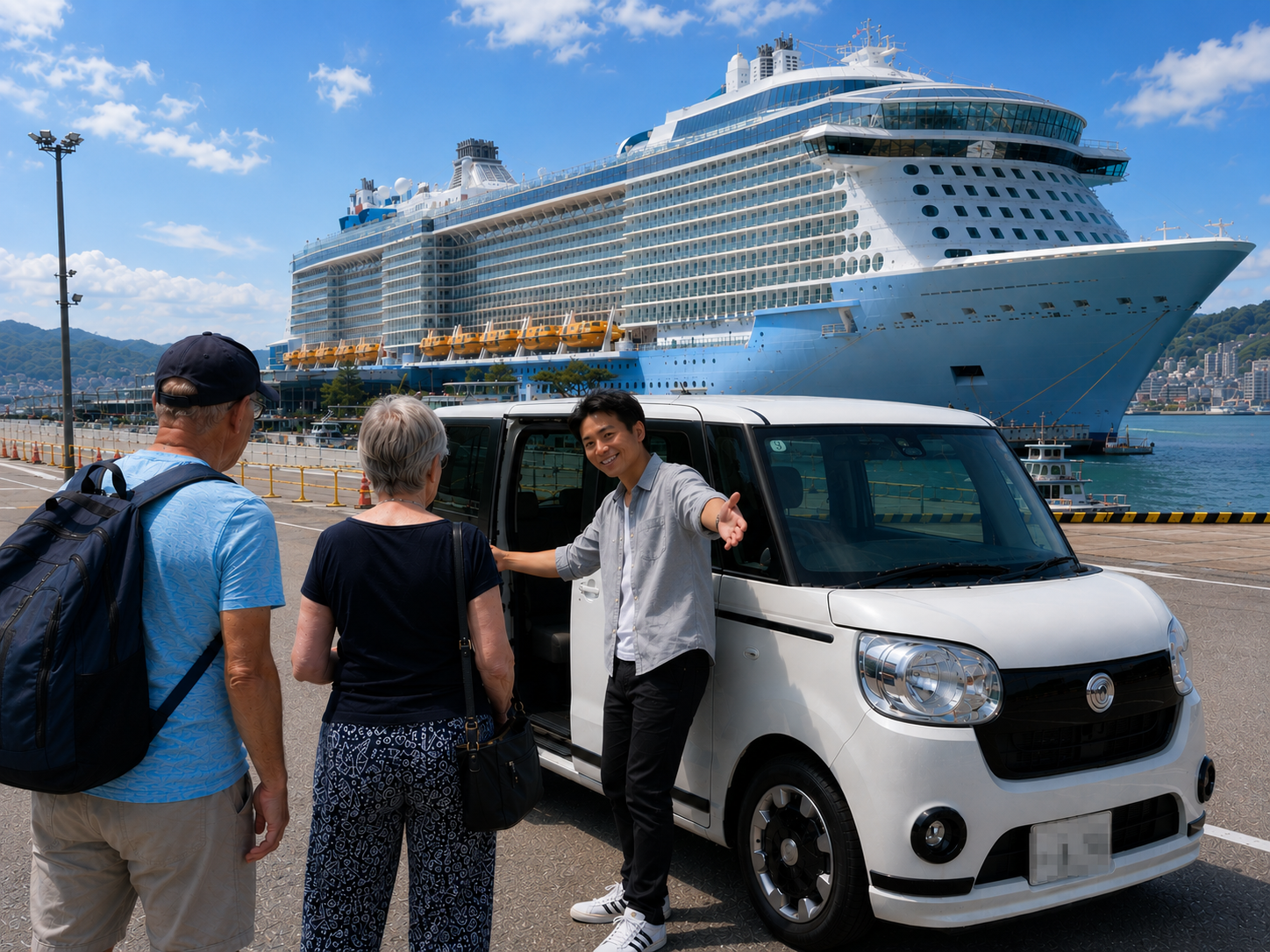
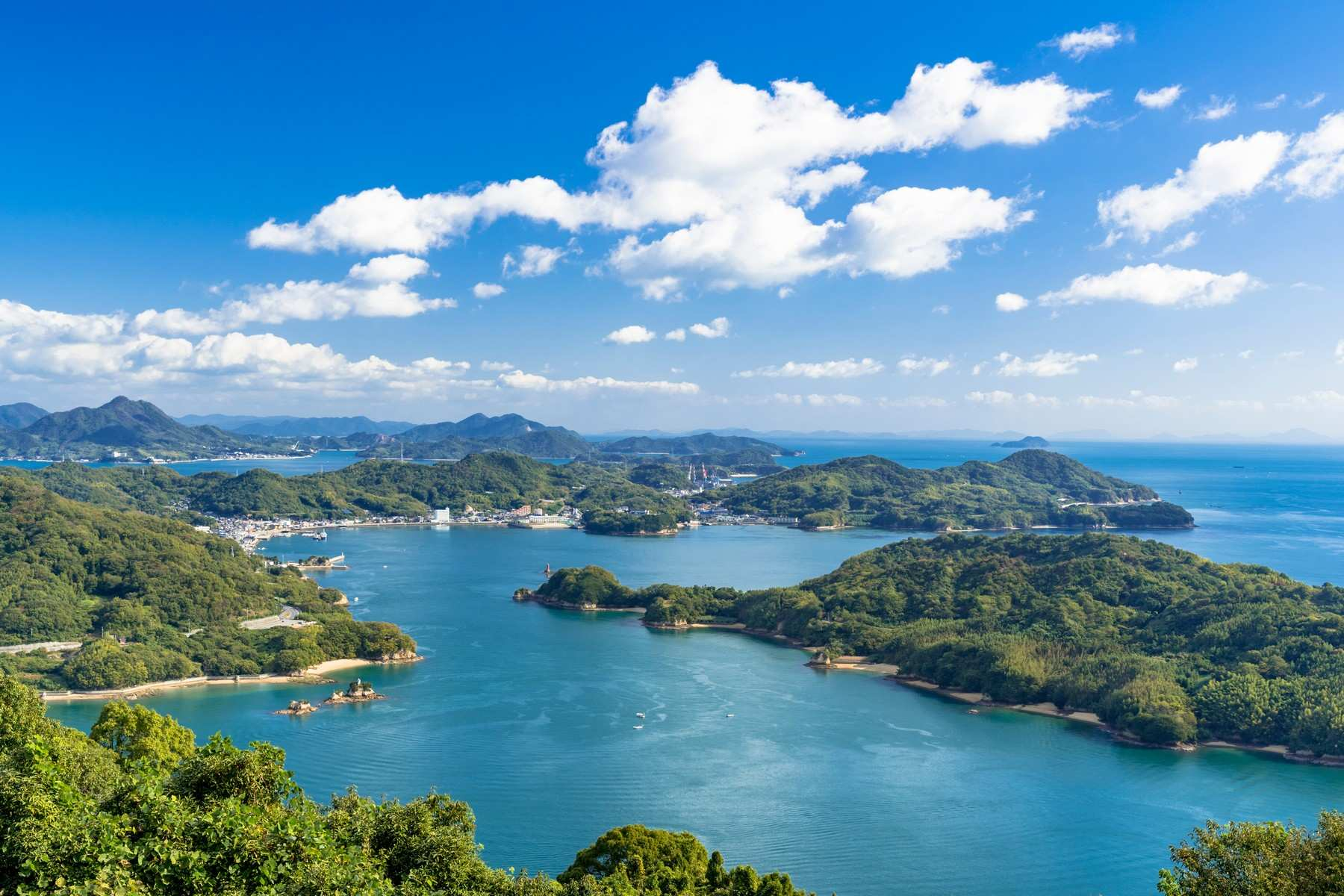
Nagasaki: Mount Inasa & Hashima Island Guided Day Tour
- Expert local guide
- Small group
- Skip-the-line access
- Free cancellation
Hashima Island Tour — Reserved Boat Passage & Landing Access
Cross fifteen kilometres of open sea, step onto concrete that once housed five thousand miners
Compare fares, pick the fit — all bookings are mobile-voucher and eligible for free cancellation where shown.
24 hr
4 hr
3 hr
| Experience | Duration | Rating | Transfers | Skip-the-line | Guide | Free cancel. | Price | |
|---|---|---|---|---|---|---|---|---|
|
Guided Experience
Most popular
Nagasaki: Mount Inasa & Hashima Island Guided Day Tour
|
24 hr | — | — | ✓ | ✓ | ✓ | €430 | Book → |
|
Luxury / Private
Nagasaki Private Car Tour: Half-Day City Highlights
|
4 hr | ★ 4.9 | ✓ | — | — | ✓ | €150 | Book → |
|
Luxury / Private
Private Walking Tour with a Local Guide in Nagasaki
|
3 hr | ★ 4.7 | — | — | ✓ | ✓ | €72 | Book → |
Worth it for history and architecture enthusiasts
A hashima island tour delivers rare access to one of Japan's most haunting industrial ruins, but value depends heavily on your interests. The 650 JPY Nagasaki City conservation fee is modest, yet total costs climb when you factor in the required boat charter (typically 4,000-5,000 JPY per person). What you're paying for is proximity to the abandoned concrete high-rises of Gunkanjima—the "Battleship Island"—and a guided walk through designated zones of the former coal mining settlement. The experience lasts roughly 2.5-3 hours round-trip, with only 30-40 minutes actually on the island due to safety restrictions. For those captivated by modernist decay, forced labor history, or UNESCO sites, the boat ride and restricted viewing platforms still justify the outlay. Casual sightseers may find the brief, cordoned-off visit underwhelming given the expense and rigid weather-dependent schedules. Tours frequently cancel in rough seas, so budget flexibility is essential.
Bottom line: If industrial heritage and wartime architecture fascinate you, hashima island tours offer irreplaceable access—casual tourists should weigh the cost against the short, controlled visit.
Hand-picked experiences loved by thousands of travelers
4 hours
Free Cancellation
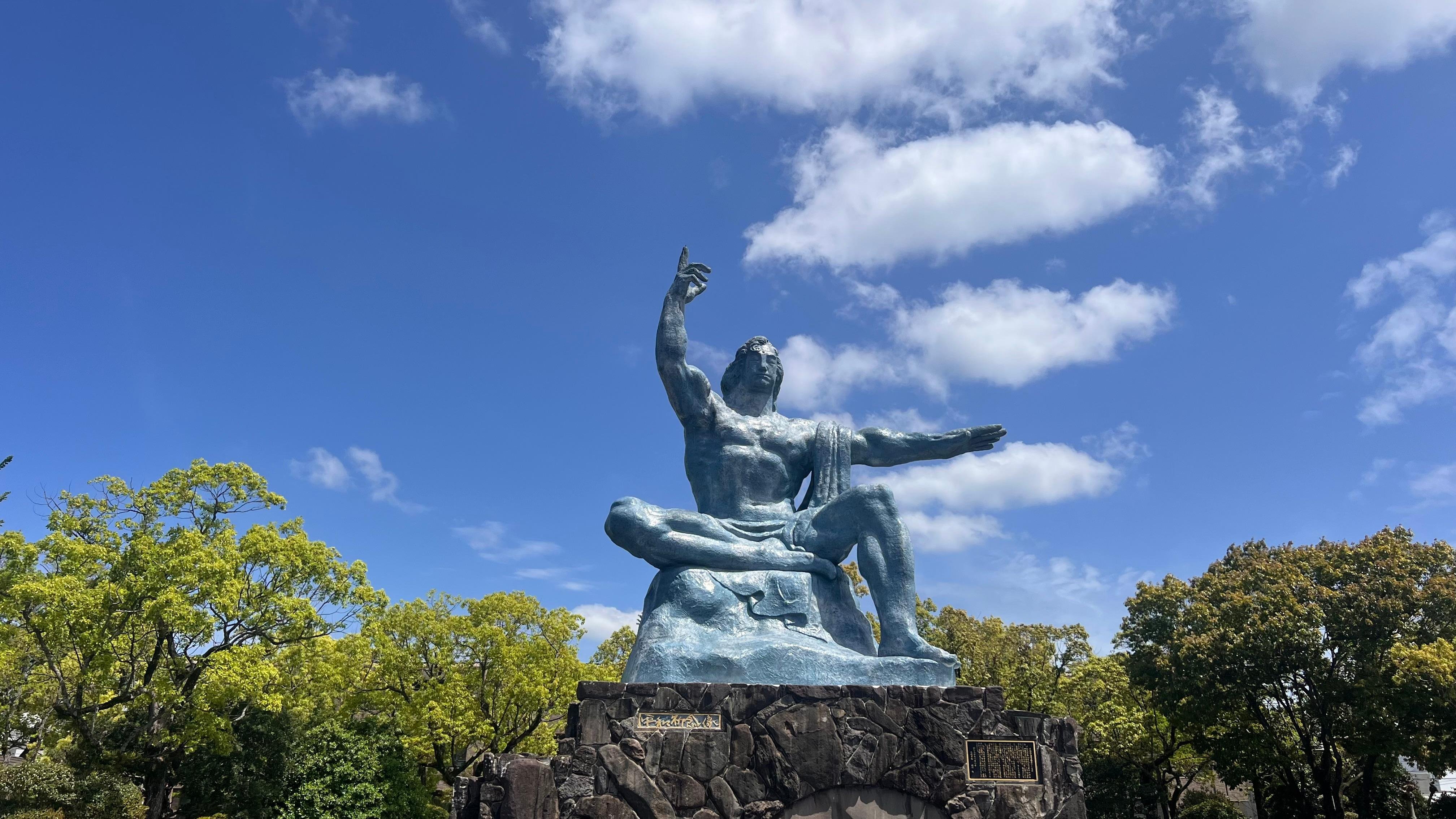
Discover six iconic sites including Peace Park, the Atomic Bomb Museum, and Glover Garden in four hours
2 hours
Free Cancellation
Explore the legacy of August 9, 1945 through monuments, memorials, and moving stories in small groups
6 hours
Free Cancellation
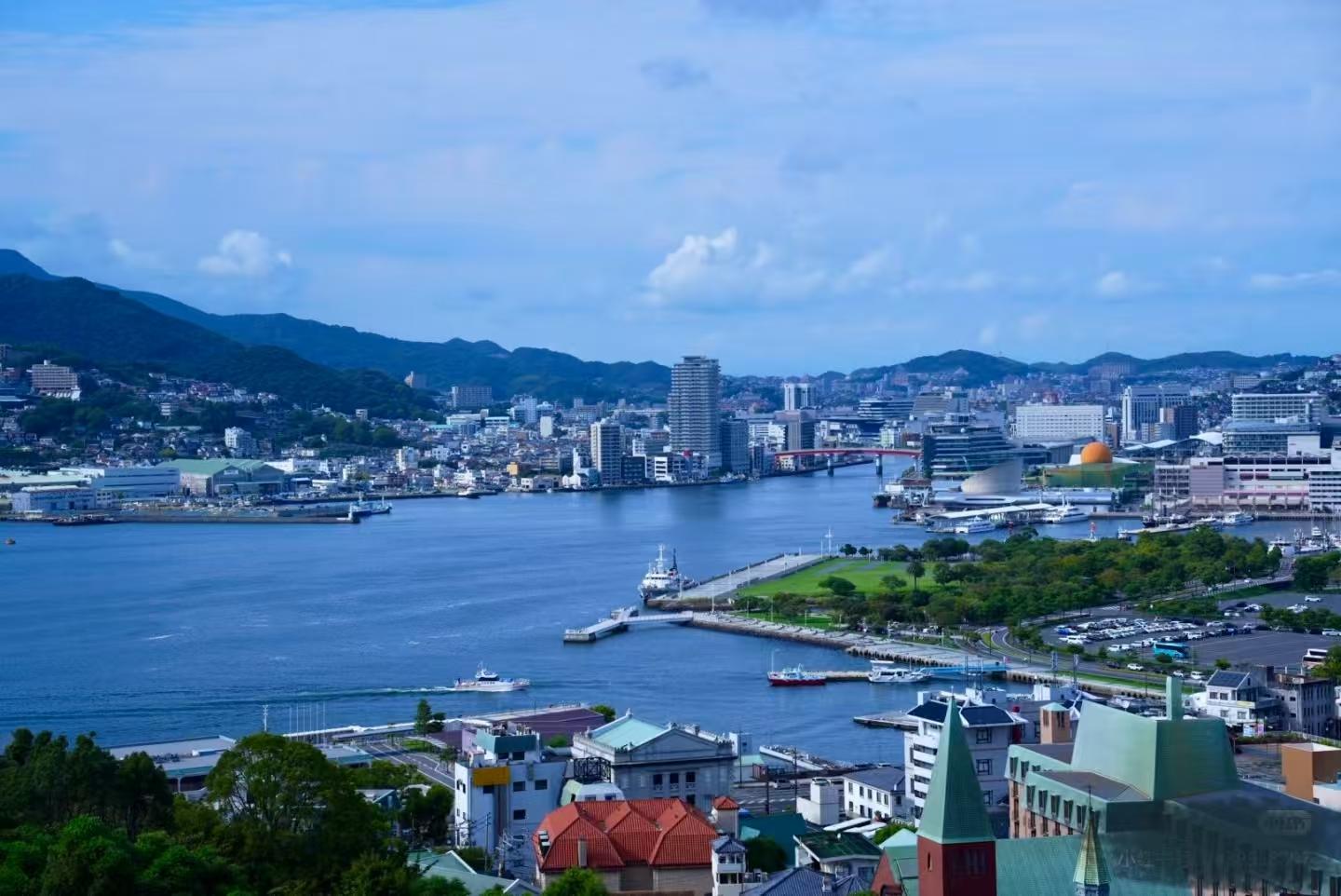
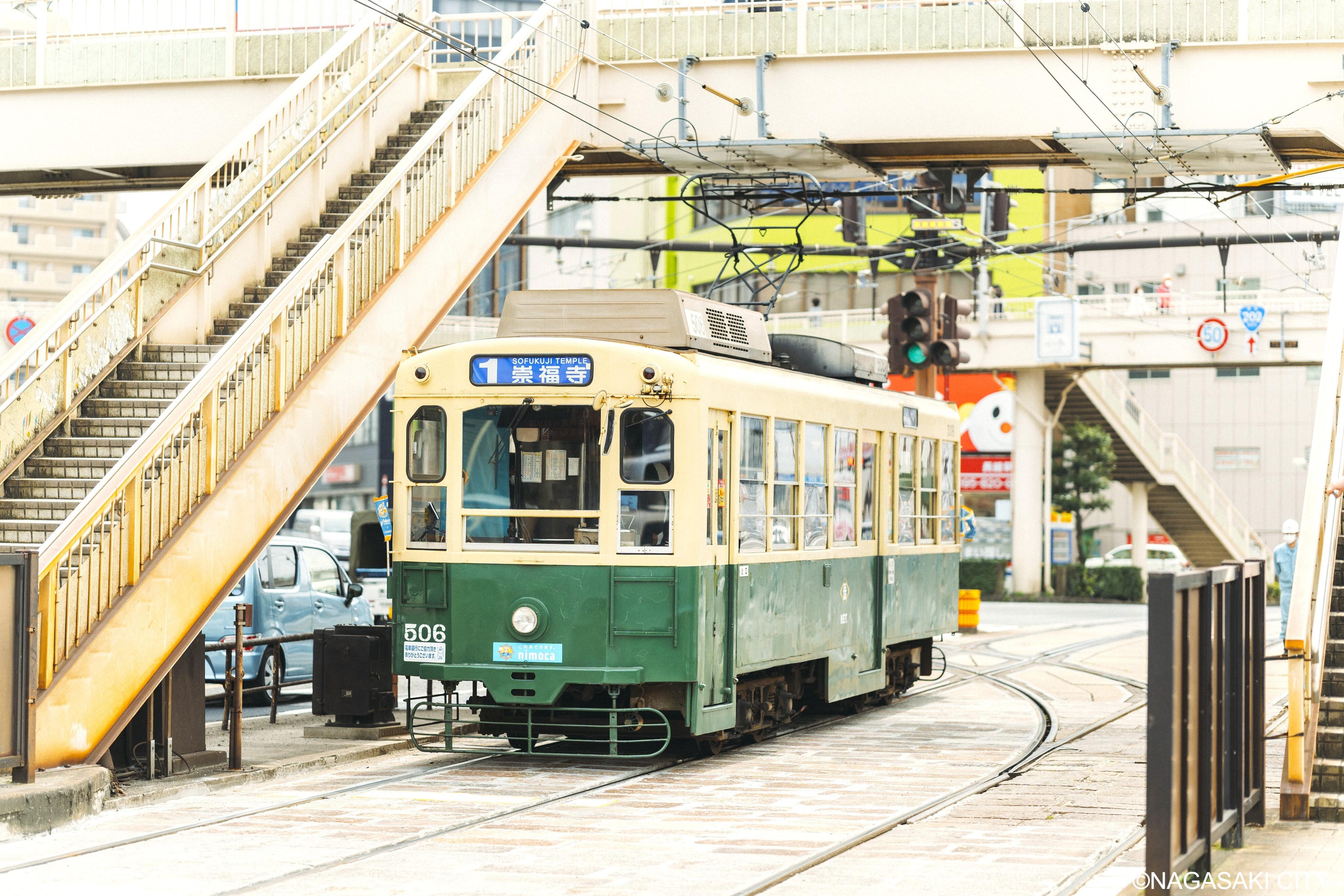
Discover Nagasaki's top landmarks in 6 hours via tram and foot, perfect for cruise passengers
8 hours
Free Cancellation
Eight-hour cruise port excursion visiting Nagasaki's historic shrine, shopping district, and panoramic mountain viewpoint with licensed transport.
4 hours
Free Cancellation
Explore Nagasaki's most poignant sites with a private English-speaking guide on this 4-hour journey.
2 hours
Free Cancellation
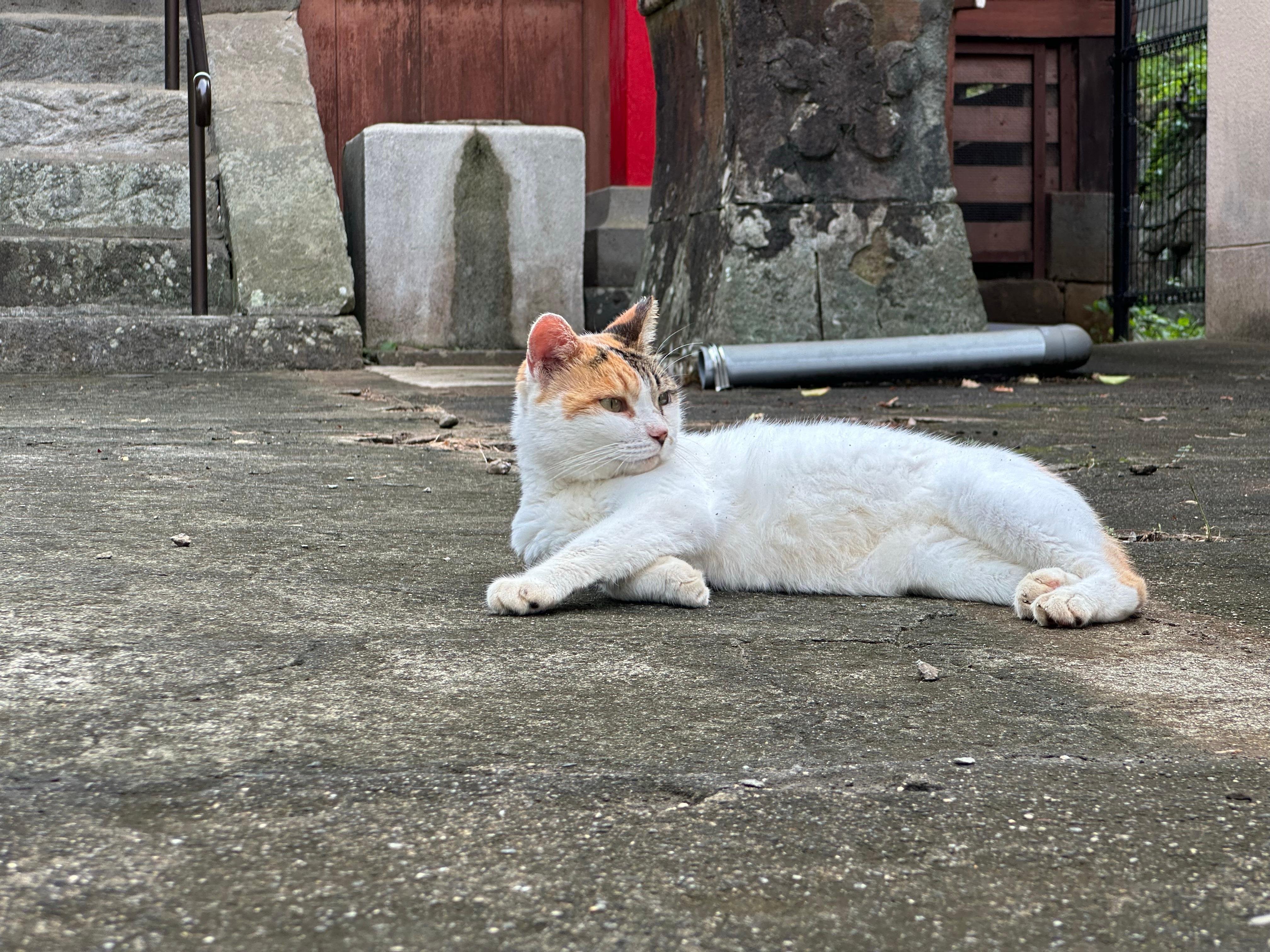
Explore secret streets and local neighborhoods while meeting adorable stray cats in this unique 2-hour adventure.
2 to 6 hours
Free Cancellation
Explore Nagasaki's landmarks and hidden gems by private car with a born-and-raised local guide
9 hours
Free Cancellation
Explore Nagasaki's historic sites and stunning vistas on a personalized 9-hour charter with expert driver
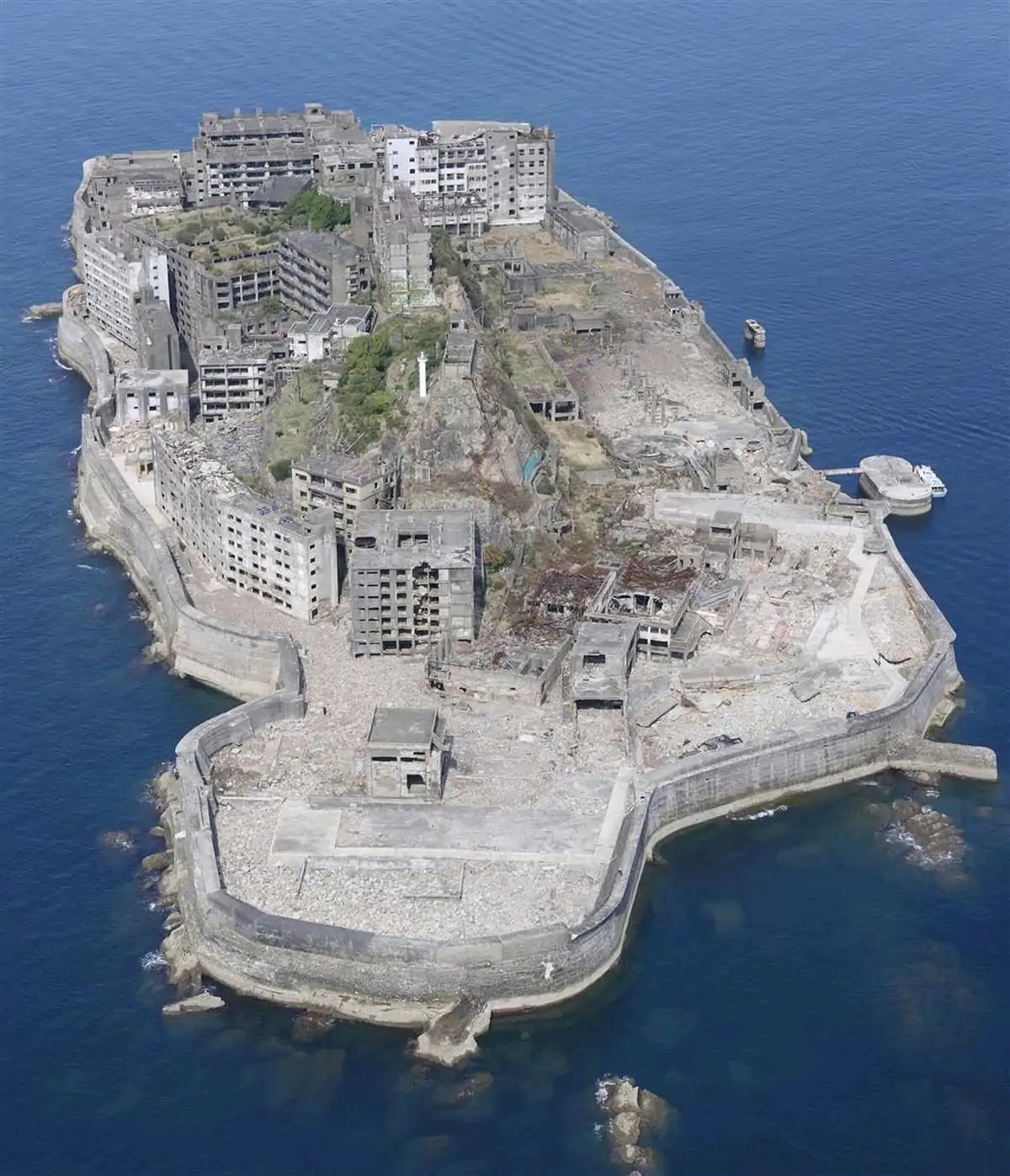
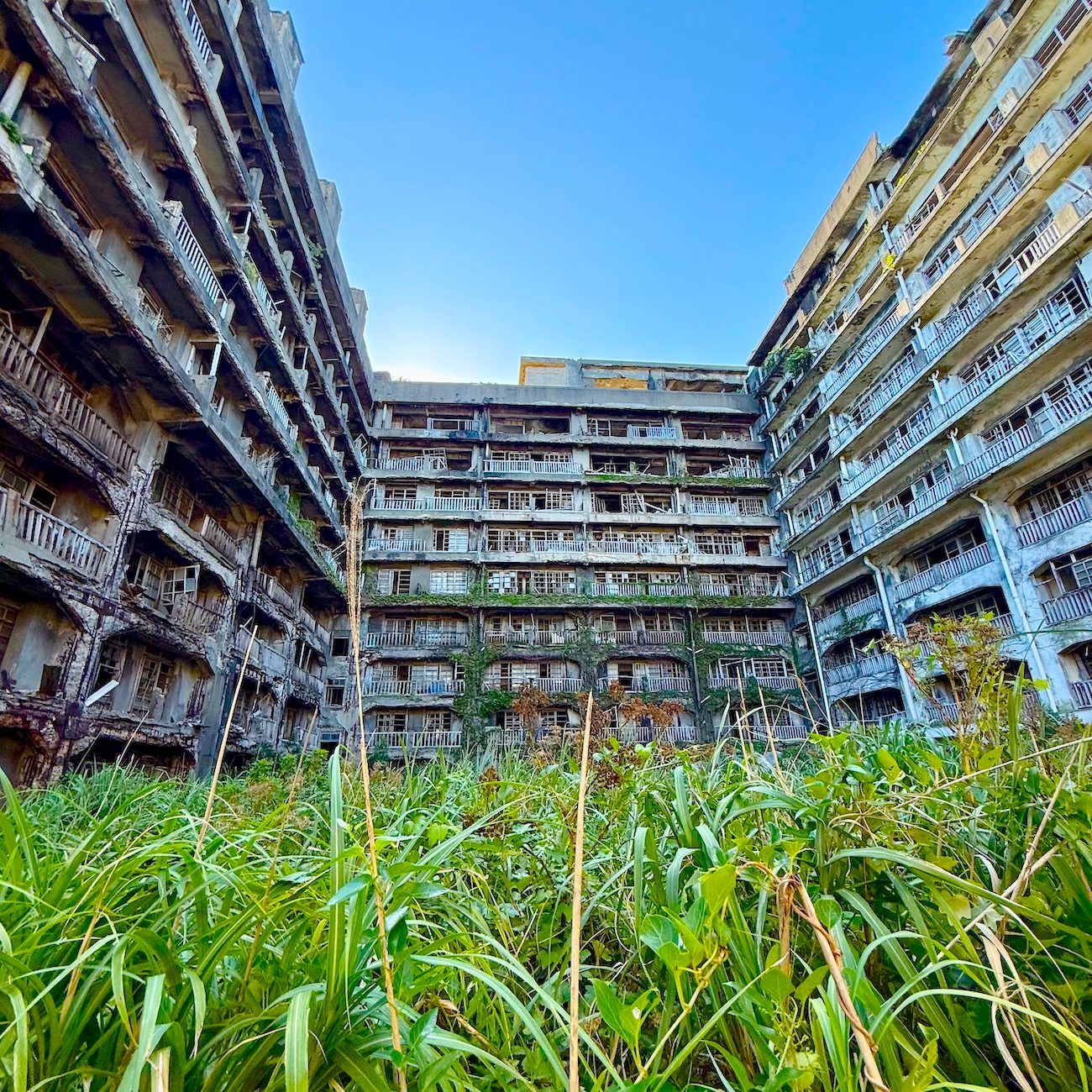
Japan's first reinforced concrete high-rise apartment built in 1916.
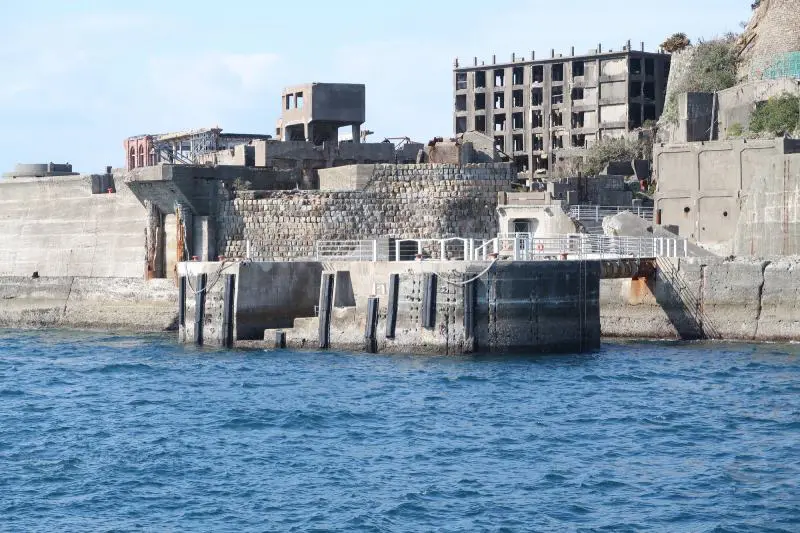
The primary entry point where visitors begin their guided Hashima Island tour route.
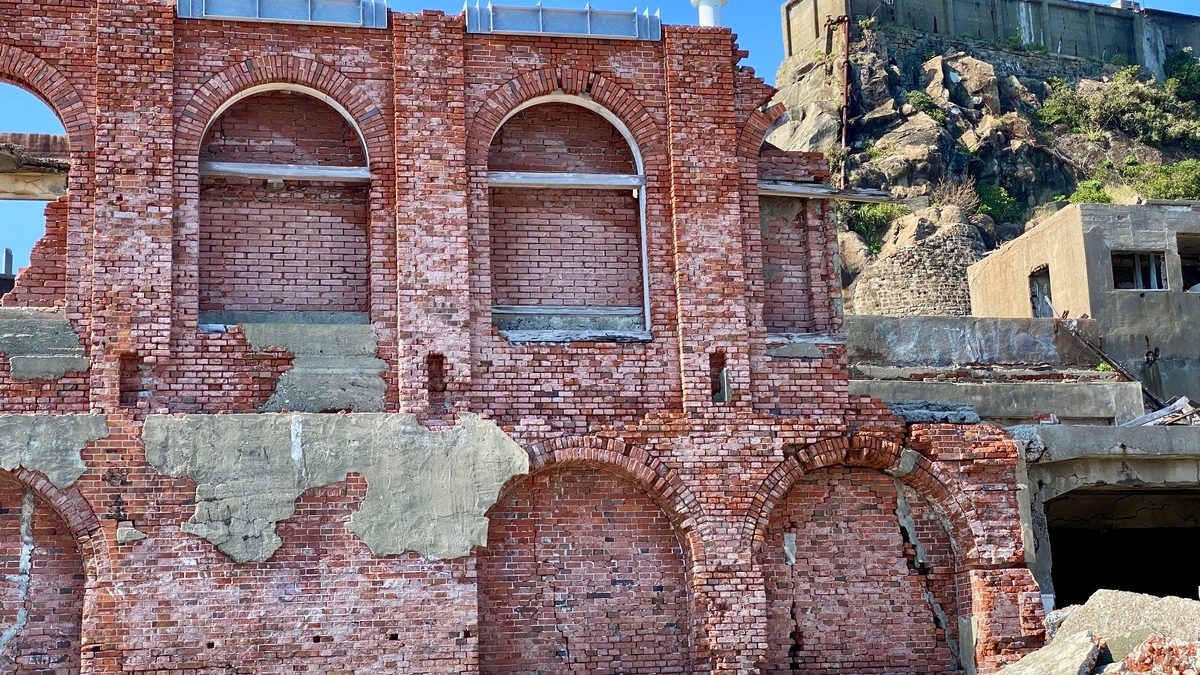
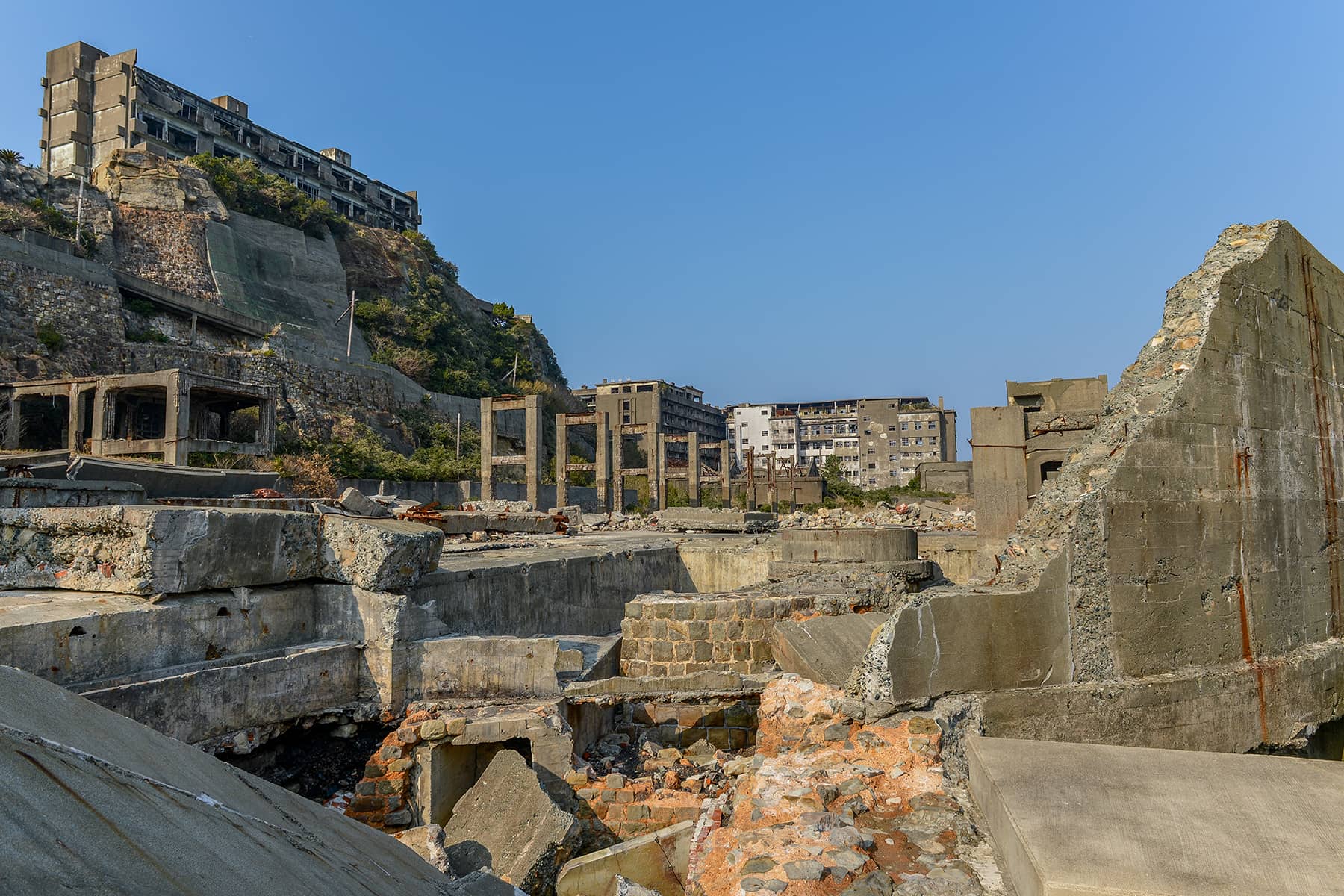
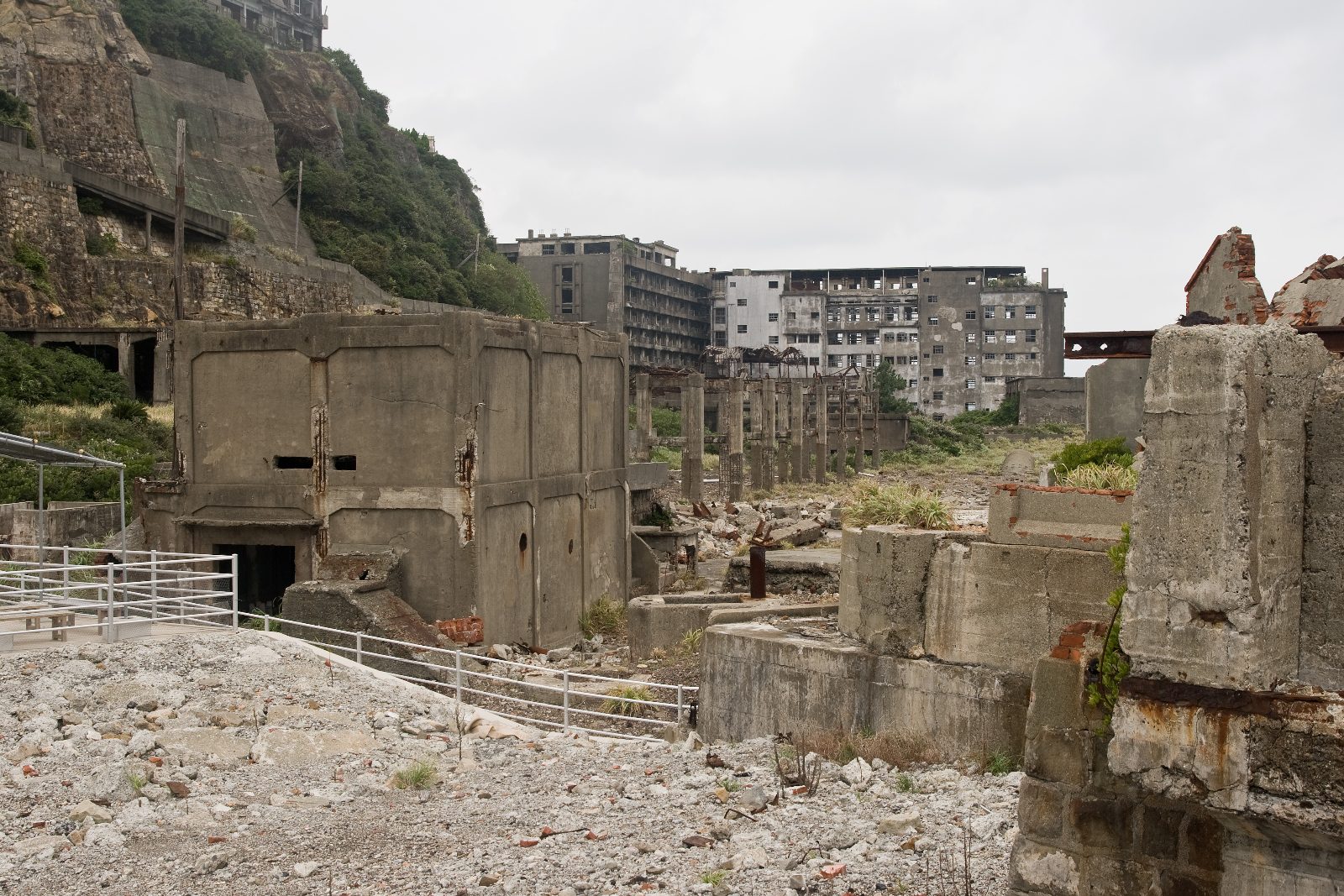
The core center of the former coal mining operations with historic brick walls.
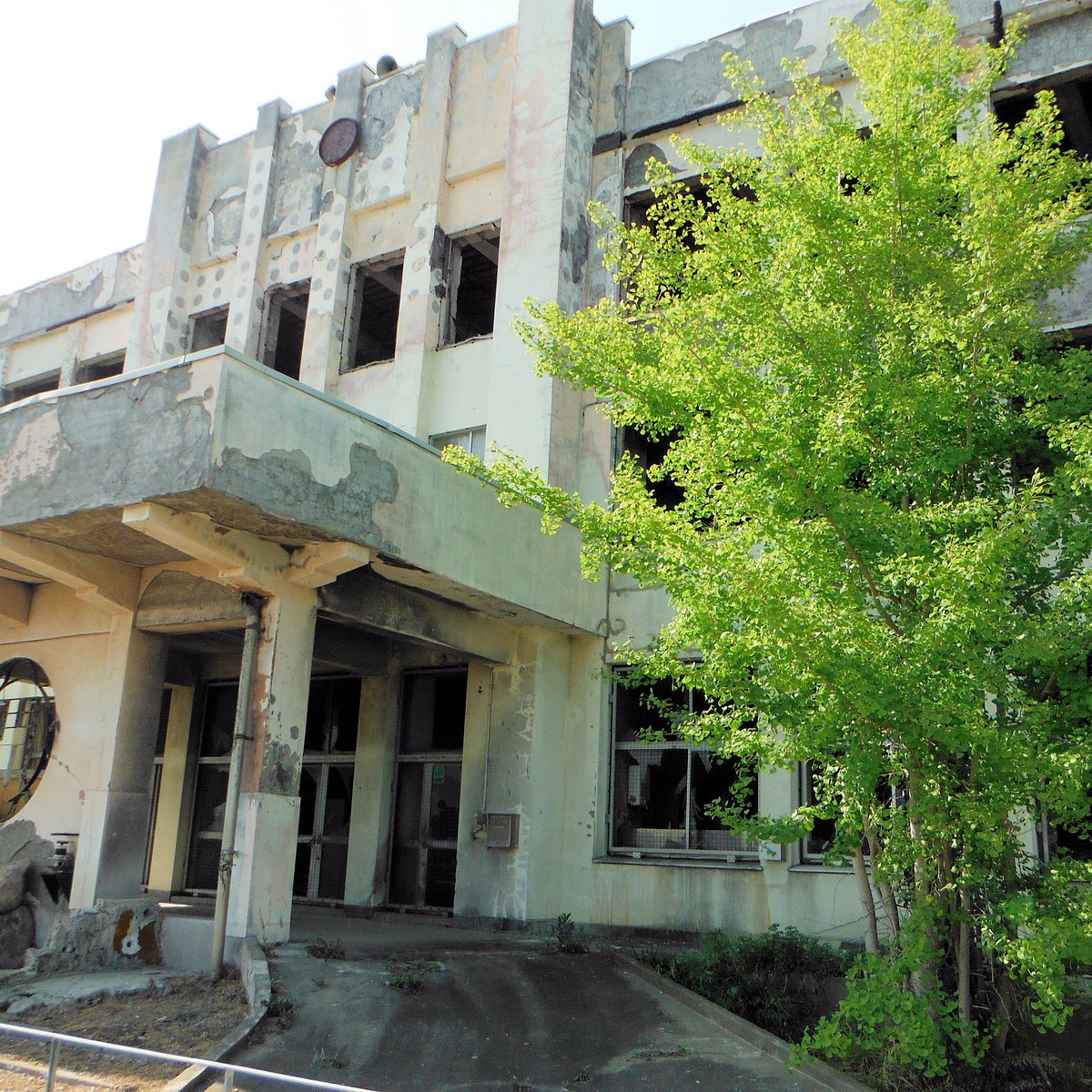
A former multi-story school building that once served the island's youth.
A key area demonstrating the industrial output that fueled the island's history.
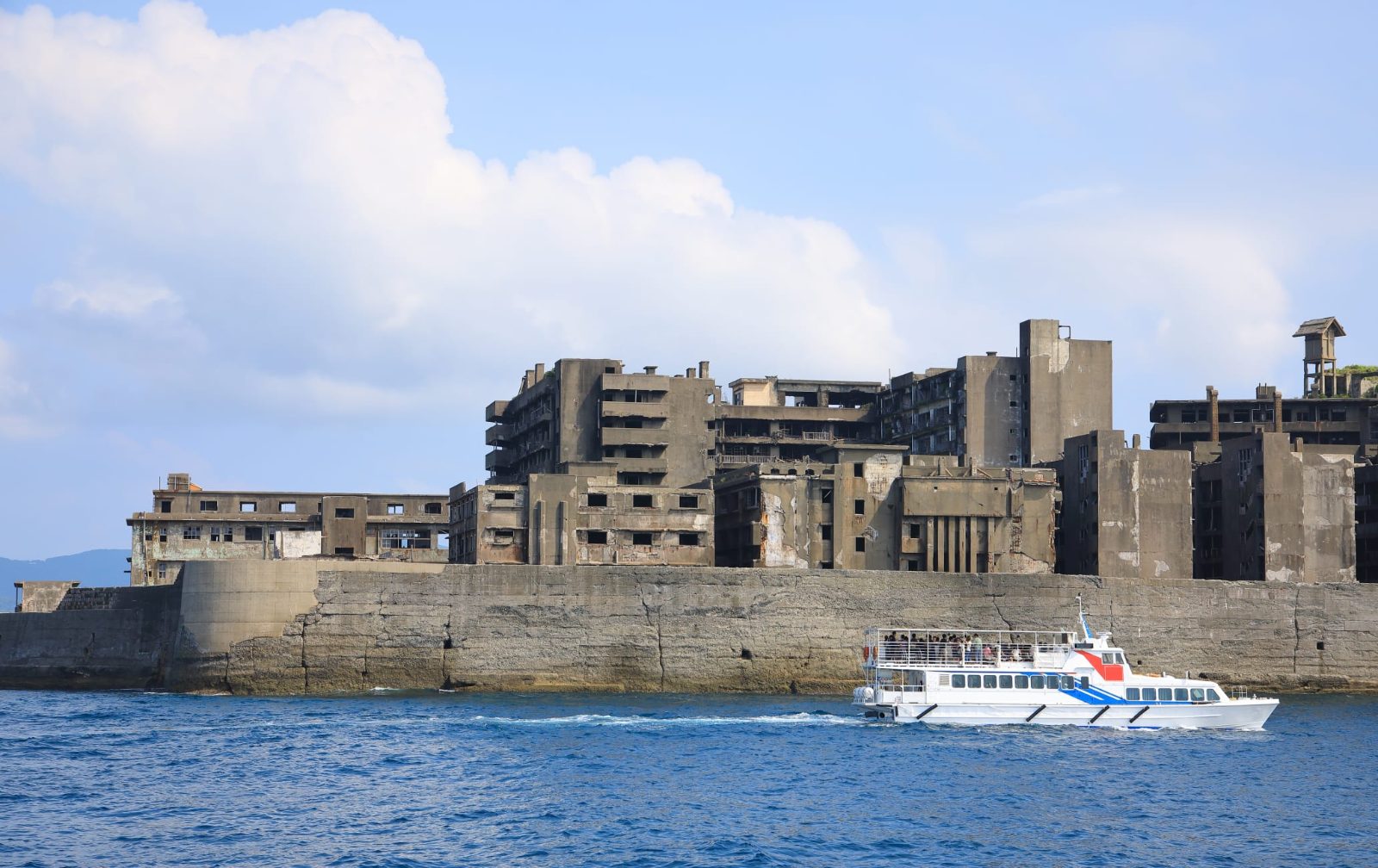
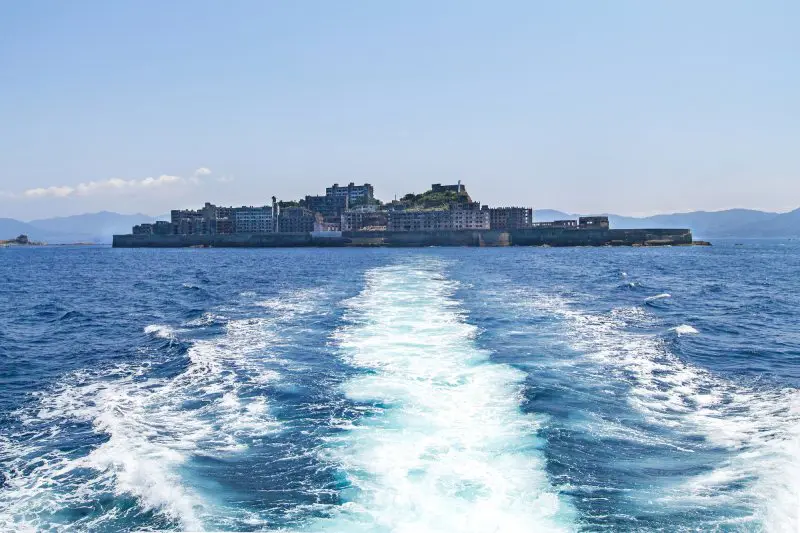
You board at Nagasaki's Motofuna pier thirty minutes before departure, present your mobile voucher, and settle on the upper deck as the boat clears the harbour breakwater. The crossing takes forty minutes. Hashima's profile sharpens as you approach — grey concrete rising vertically from the sea, no beach, no trees.
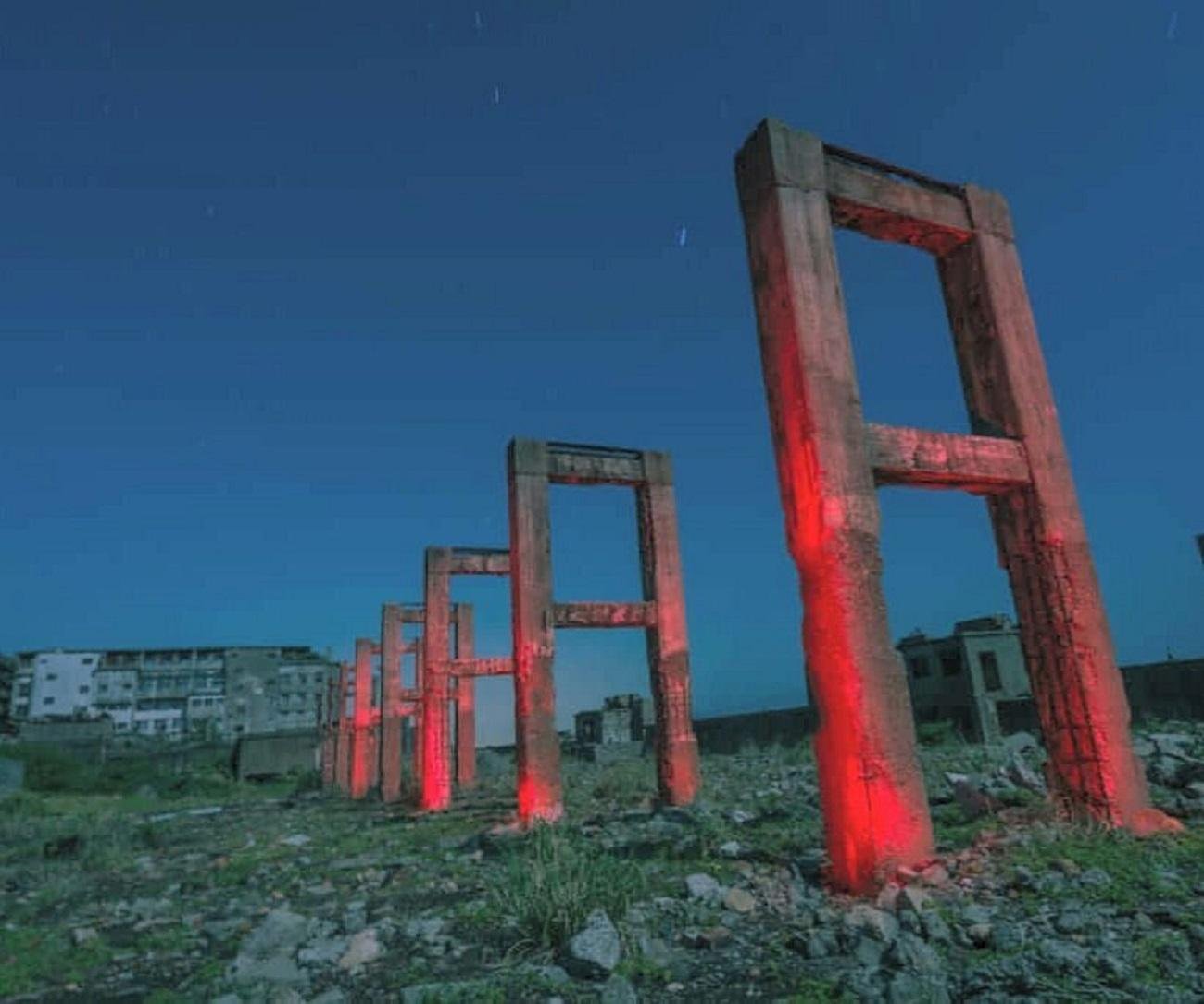
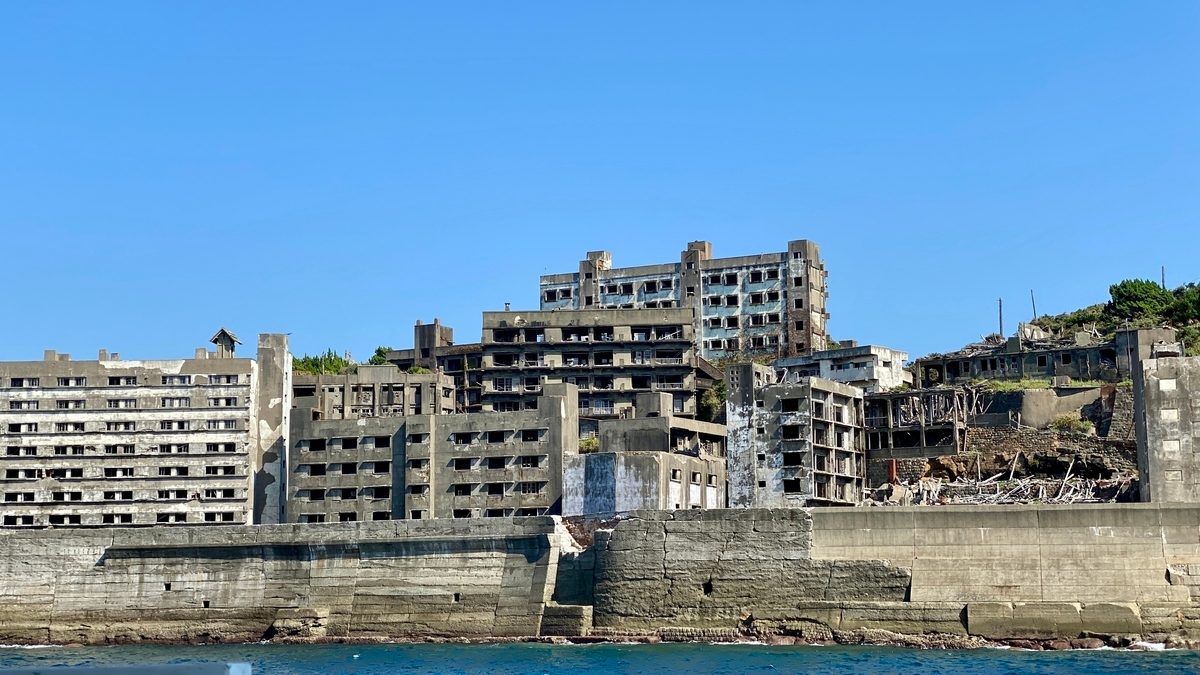
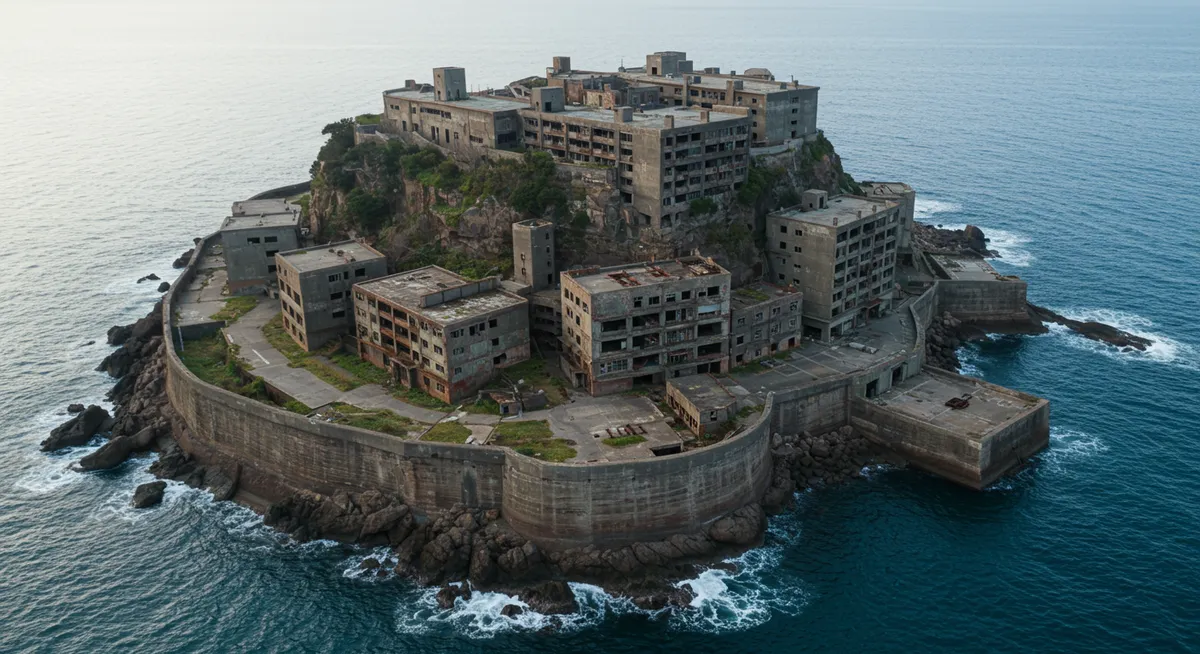
The boat circles counterclockwise, passing the collapsed No. 3 shaft headframe on the north face, the roofless primary school on the west, and the intact seawall that kept typhoons from washing the island away.
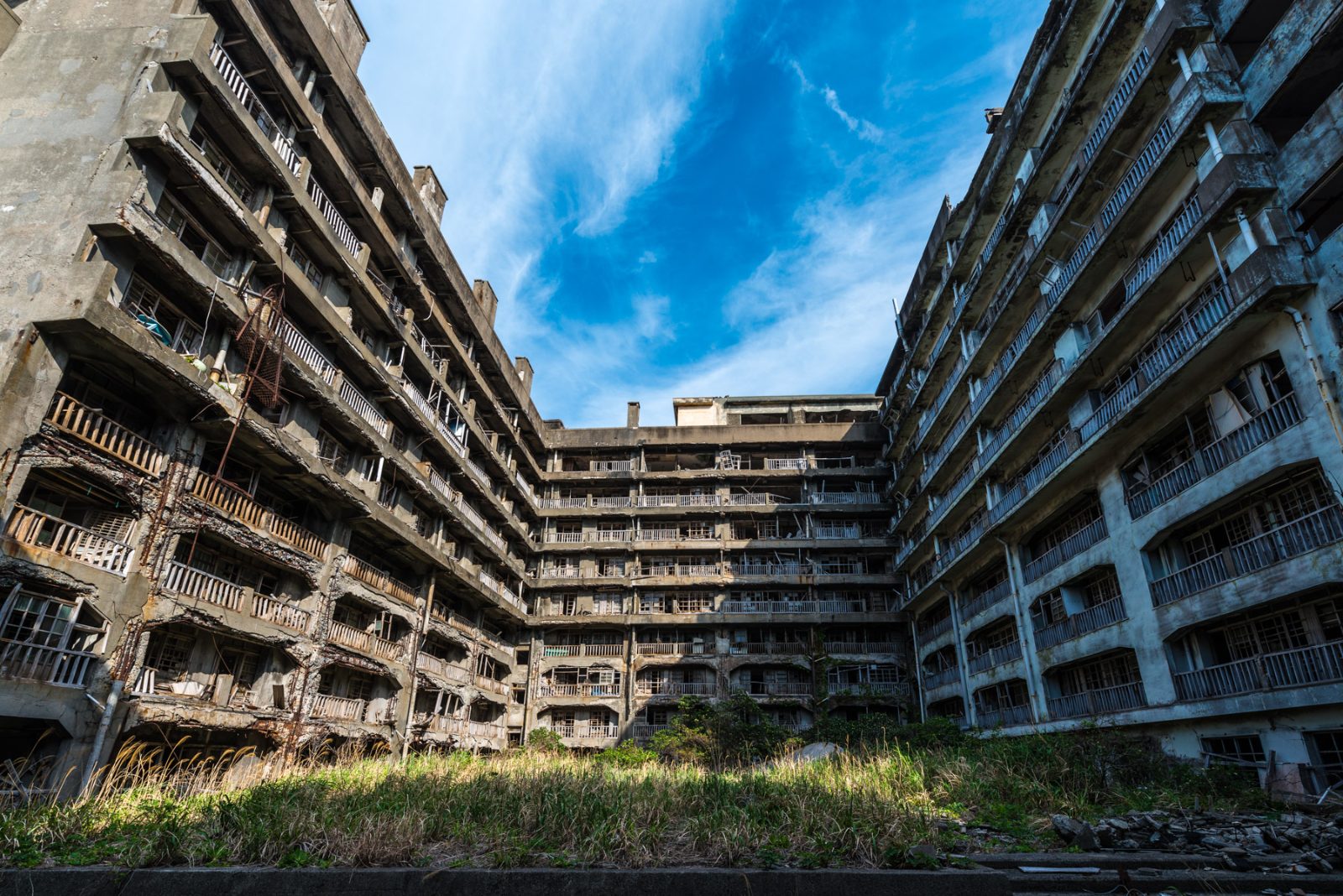
You disembark at the southern pier. A guide leads you along the permitted 300-metre path, stopping at three designated viewpoints. To your left: Apartment Block 30, its facade cracked and window frames empty. Ahead: the brick Administrative Building, now a rusted shell. The guide explains the nine-square-metre apartments, the rooftop gardens where residents grew vegetables, the submarine coal seams that justified everything. You hear wind through broken concrete and waves against the seawall. Thirty minutes after landing, you reboard. The return crossing offers a final silhouette view as Hashima recedes — still resembling the battleship that gave it its name, still holding its shape against the East China Sea.
All the details about your upcoming adventure in one place
A hashima island tour departs from Nagasaki Harbor and brings visitors to the abandoned coal-mining island also known as Gunkanjima (Battleship Island). Tours include a boat crossing and guided walk through designated zones of the concrete apartment blocks and industrial ruins. These hashima island tour tickets grant access to one of Japan's UNESCO World Heritage industrial sites, restricted to authorized operators only.
Hashima Island produced coal for seventy-four years and was abandoned in a single afternoon. On 20 April 1974, Mitsubishi officially closed the Takashima mine complex, and within hours the last residents boarded ferries for Nagasaki.
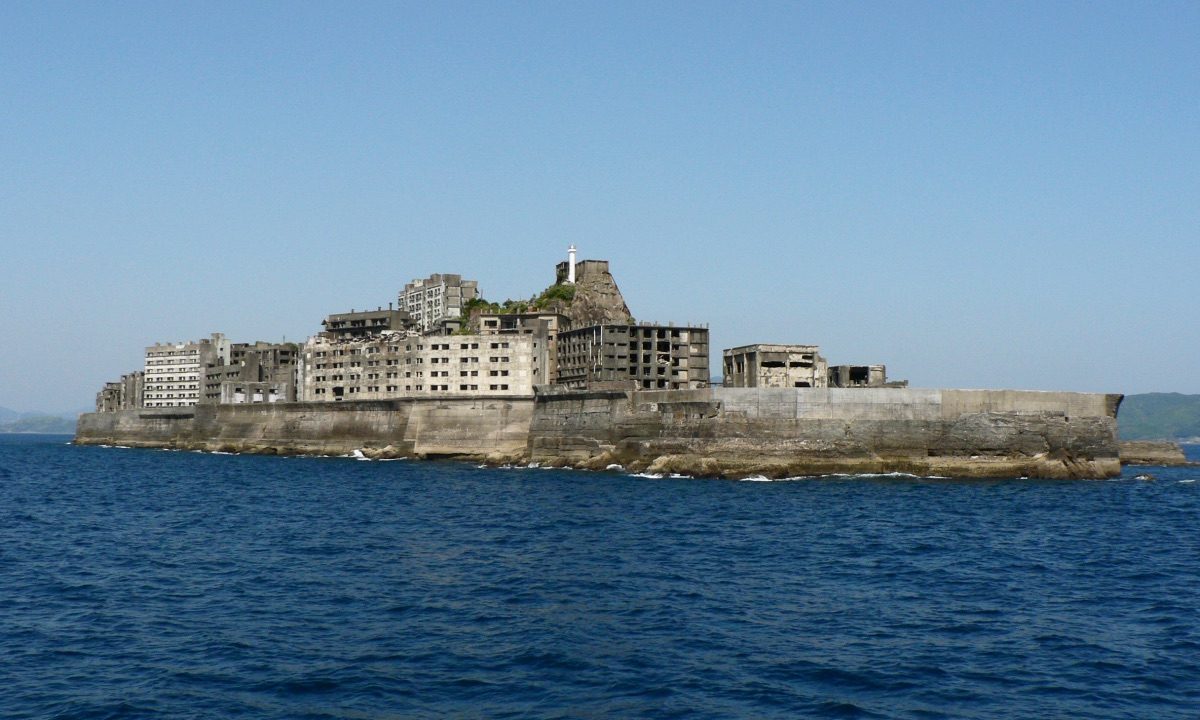
Behind them stood Japan's first large-scale concrete apartment blocks, a seawall that took decades to complete, and a population density that once exceeded Manhattan's. The island earned its nickname — Gunkanjima, or Battleship Island — from its silhouette: a low grey hull ringed by vertical housing, visible from the Nagasaki coast fifteen kilometres east.
Coal seams beneath the seabed drew Mitsubishi here in 1890. By 1916 the company had poured reinforced concrete foundations directly onto bedrock, raising apartment towers to house miners and their families in quarters measuring nine square metres per household. Schools, bathhouses, cinemas, and rooftop gardens followed. At its 1959 peak, 5,259 people lived on 6.3 hectares — density unmatched anywhere on earth. Shafts descended six hundred metres below sea level; shifts ran around the clock. Then petroleum displaced coal across Japan's industrial base, and Hashima's economic logic collapsed overnight.
UNESCO inscribed the island in 2015 as part of the Sites of Japan's Meiji Industrial Revolution, recognising both its engineering audacity and its contested wartime labour history. Thousands of Korean and Chinese workers were conscripted here between 1943 and 1945; conditions underground were lethal. That duality — technical achievement shadowed by coercion — defines contemporary Hashima island tour discourse. Visitors land at a single concrete pier on the island's south side, follow a designated 300-metre route past Apartment Block 30 and the former mine offices, and depart. Typhoon damage and structural decay keep the interior zones closed. The 650-yen conservation fee funds stabilisation work on collapsing facades. Weather permissible, boats depart Nagasaki港 daily between 09:00 and 16:30; crossings take forty minutes and circle the island before landing. Hashima Island tours operate year-round, though winter swells and summer typhoons force frequent cancellations. English-language commentary is standard on licensed vessels.

At its 1959 peak, 5,259 people lived on 6.3 hectares — density unmatched anywhere on earth.
Sturdy, flat, closed-toe walking shoes are mandatory to navigate the concrete grating safely. High heels and unstable footwear are strictly prohibited as they pose a tripping hazard.
Travel light, as there is no storage on the island and your hands must be free for safety. Large bags may be restricted on some vessels; consult your specific tour operator.
You may photograph the ruins from designated observation areas, but do not record the guide's explanations or screen presentations. Respect the privacy and safety of other group members.
Children under age 4 are generally not permitted on any hashima island tour. Children under 12 must wear a life jacket during the boat transit and remain with a guardian at all times.
Due to steep steps and narrow, uneven surfaces, the island is not wheelchair accessible. Passengers must be able to board and disembark the vessel unassisted, even in moderate sea conditions.
No food or drink facilities exist on the island. You may carry non-alcoholic beverages, but you must pack out all trash, as no garbage disposal is available on Hashima Island.
Opening Hours
09:00–17:00
Address
Hashima, Takashimamachi, Nagasaki, 851-1315, Japan
Landing Policy
Subject to weather; 100 days/year
Best Window
09:00–16:30
Storage
Not available on island
Tour Departure
Nagasaki Port
Cancellation fees vary by operator, often applying from 15 days before the tour date. The mandatory 650 JPY Hashima Island entrance fee is refunded if the island landing is canceled due to weather.
Recommended time
3-4 hours
A typical hashima island tour requires roughly three to four hours to account for ferry transit and the strictly guided walking paths on the site. Visitors should consult official site schedules to align their transit with the designated Nagasaki landmarks access times. Choosing a hashima island tour tour in the morning often provides calmer sea conditions for the crossing. Managing your hashima island tour tickets in advance ensures you secure a spot, as groups move together through the Gunkanjima ruins under strict supervision.
Crowd levels through the day
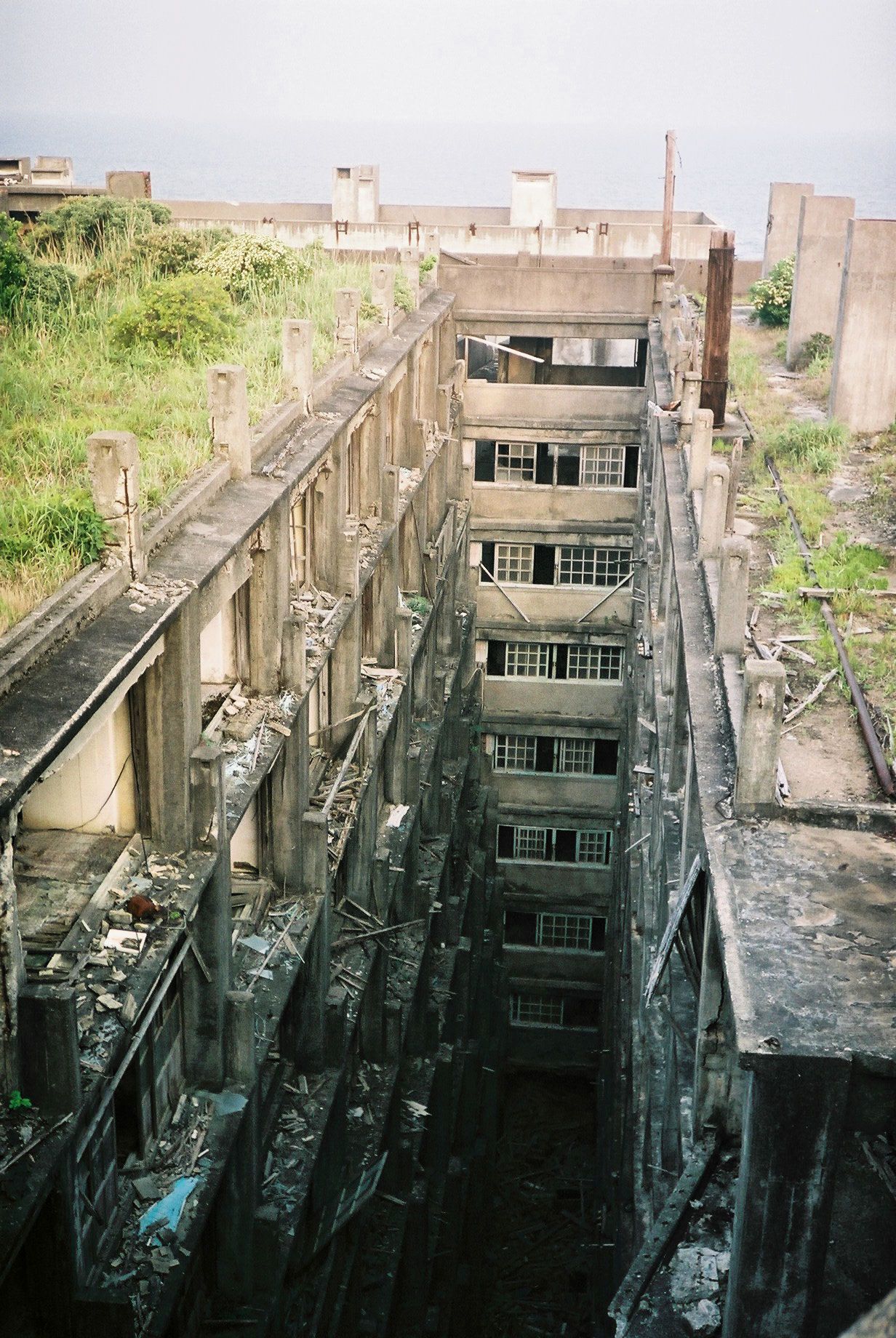
Hashima Island emerged from relative obscurity in 1810 when coal seams were discovered beneath its rocky surface. Mitsubishi Corporation acquired the site in 1890 and embarked on an ambitious reclamation project, expanding the natural reef from roughly 6,300 square meters to over 65,000 square meters by 1931. The company constructed Japan's first large-scale reinforced concrete apartment blocks here in 1916, pioneering high-density residential architecture that would later define urban planning across the nation. At its apex in 1959, the island supported 5,259 residents on a footprint smaller than sixteen football fields, making it the most densely populated place on Earth with a ratio exceeding 139,000 people per square kilometer. The undersea Takashima coal mine extended more than a kilometer beneath the seabed, with miners descending shafts that reached temperatures above 30 degrees Celsius and humidity near saturation. Mitsubishi operated the facility through wartime conscription of Korean and Chinese laborers between 1939 and 1945, a period that remains contested in historical scholarship. Post-war mechanization briefly revived output, but Japan's 1960s energy transition to petroleum rendered the operation uneconomical. The mine closed abruptly in January 1974, and within three months the entire population had evacuated, leaving apartment interiors, schools, and a rooftop shrine frozen in time. Hashima island tour bookings surged after the site gained UNESCO World Heritage inscription in 2015 as part of the "Sites of Japan's Meiji Industrial Revolution." The designation sparked diplomatic friction with South Korea over interpretive frameworks for wartime labor. Nagasaki Prefecture opened controlled hashima island tour tours in 2009, restricting access to a 300-meter concrete viewing platform due to structural decay. Typhoon damage accelerates the collapse of residential blocks annually; engineers estimate that without intervention, signature structures like the 30 Gō apartment will succumb to the elements within two decades. Visitors today witness concrete façades surrendering to salt spray and vegetation reclaiming staircases, a process that transforms Gunkanjima—Battleship Island—into a monument to industrial impermanence.
Coal discovered beneath Hashima's natural reef surface
Mitsubishi acquires the island and begins land reclamation
Japan's first reinforced concrete apartments constructed
Population peaks at 5,259 residents, highest density globally
Mine closes and island evacuated within three months
Controlled hashima island tour tickets become available to the public
UNESCO designates site as Meiji Industrial Revolution heritage
This location offers a direct view of the iconic reinforced concrete apartment blocks that characterize the skyline. Position yourself at the railing of the designated path for the best framing of the decaying structural facades during your hashima island tour.
From this vantage point, you can capture the contrast between the sea wall and the dense industrial ruins in the background. It is a preferred spot for those seeking a composition that emphasizes the isolation of this UNESCO heritage site as part of their hashima island tour tours.
This area provides a clear line of sight toward the former coal mining facilities and conveyor belt systems. Ensure your camera is steady to document the weathered concrete textures while using your hashima island tour tickets to access the viewing area.
This southern viewing deck allows for a wide-angle perspective of the entire settlement layout against the horizon. It remains one of the most popular settings for photographers booking a hashima island tour tour to document the scale of the facility.
Real experiences from real travelers
The Gunkanjima tour departed from Nagasaki port on a clear morning, and approaching the island by boat gives you the full impact of its battleship silhouette. Our guide provided context about the coal mining operations that once sustained 5,000 residents in such a confined space. The designated walkway allows close views of the crumbling apartment blocks without compromising safety.
Taking a hashima island tour was the highlight of our Kyushu trip. The concrete structures are far more imposing in person than in photographs, and standing on the island itself—even in the restricted zones—connects you to the lives of the mining families. Weather can cancel sailings, so build flexibility into your schedule.
The tour operators are professional and the boat ride takes about 40 minutes each way from Nagasaki. Once you disembark at Hashima Island, the scale of the abandoned infrastructure is staggering. The high-rise apartments were revolutionary for their time, and now they stand as a monument to industrial ambition and eventual decline.
Our hashima island tour allowed roughly 30 minutes on the island itself due to safety regulations. The view from the observation points is excellent, and the guide's stories about daily life in the mining community brought the ruins to life. I wished we could explore more freely, but the restrictions are understandable given structural instability.
Gunkanjima exceeded expectations. The concrete apartment towers rising from such a small island create a surreal skyline, and the tour guides explain both the engineering achievements and the harsh labor conditions. Sea conditions were calm during our April visit, making the boat ride comfortable.
Booking a hashima island tour in advance is essential during peak season. The abandoned coal mine structures and residential blocks form a dense urban landscape frozen in time. Our guide pointed out specific buildings—the school, hospital, and bathhouse—which helped us understand how complete this isolated community once was.
The boat journey to Hashima Island offers views of Nagasaki's harbor before reaching the open sea. Once at the island, the three observation points provide different perspectives on the ruins. The February weather was cool but clear, and the low sun angle created dramatic shadows across the crumbling facades.
Tours to Gunkanjima operate year-round but are weather-dependent. We visited in January and were fortunate with calm seas. The density of the abandoned structures is remarkable—every square meter was utilized during the mining era. Photography is permitted from the walkways, and the late afternoon light was particularly striking.
As someone from Nagasaki prefecture, taking the hashima island tour gave me new appreciation for our region's industrial heritage. The concrete apartment buildings, though deteriorating, still convey the intensity of life in this offshore mining colony. The tour operators are respectful of the site's complex history.
The hashima island tours depart from multiple operators in Nagasaki, and we chose one with English commentary. The island's battleship appearance is striking from the water, and the permitted landing zones offer close views of the structural decay. Comfortable shoes are recommended for the metal walkways.
Everything you need to know for your journey
Advance reservations are highly recommended for every hashima island tour as boats frequently reach capacity.
No, landing is subject to strict safety standards and sea conditions, occurring only about 100 days per year.
The entrance fee is 650 JPY per adult, which is a Nagasaki City facility/conservation fee paid in addition to the tour fare.
Most access to Hashima Island is restricted to licensed group boat tours; independent access is prohibited.
Children under age 4 cannot participate in any hashima island tour, and those under 12 must be supervised.
A full hashima island tour typically takes 2.5 to 3 hours, including the boat transit and time spent at observation plazas.
Umbrellas are banned on the hashima island tour to prevent injuries in crowded, narrow pathways and due to potential wind gusts.
If the tour cannot land, your boat will circle the island for viewing, and the 650 JPY facility fee is refunded.
No, there are no restrooms on the island, so you must use facilities at Nagasaki Port before your hashima island tour departs.
Join thousands of happy travelers who have discovered this incredible experience
Book Your Experience Now